Melrose Center 3D Printers Put to Work to Create PPE for Orlando Health

During quarantine, a team of makers from Orange County Library System has been using Melrose Center 3D printers and resources to create PPE.

In late March, Otronicon exhibitors Orange County Library System’s Melrose Center had their team investigating ways they could 3D print personal protective equipment (PPE) for healthcare professionals. Working from home with Melrose Center 3D printers from the Fab Lab (a makerspace in the facility that offers hands-on classes and equipment for DIY projects), the team has been hard at work making visors, ear extenders and tension release bands for medical face shields by 3D printing or molding with liquid acrylic. Budmen Industries, a company that designs and sells 3D printers, provided files to staff to help create these PPE.

Fab Lab Instructor Harold Singh, using supplies at his home makerspace, began the initial process of printing these needed parts. With the help of his daughter, who works in the ICU, he delivered them to Orlando Health. At the same time, Fab Lab Instructor Yesenia Arroyo connected with the Central and South Florida chapters of the nonprofit Open Source COVID-19 Medical Supplies, a group working to connect makerspaces with medical professionals in need around the world. Soon after, the group received information from Orlando Health with details on what equipment could be accepted and work began. 


“The Melrose Center’s Fab Lab team is really happy to be able to join the maker community’s efforts to help our health care workers,” said Jim Myers, Department Head of The Dorothy Lumley Melrose Center for Technology, Innovation and Creativity. “They are a focused and energized bunch, and glad to be in a position to make a small difference. I’m really proud of them.”
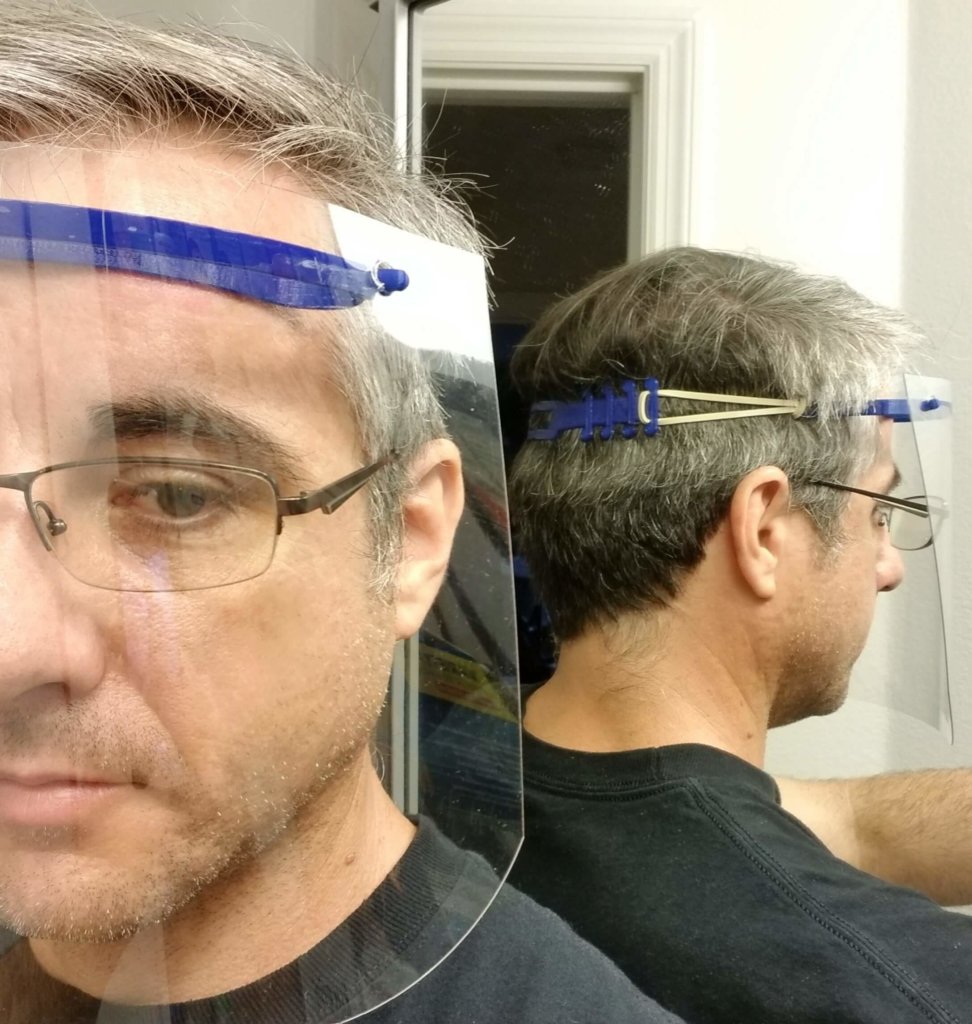
 

Orange County Library System man wearing 3D printed PPE equipment

In early April, Arroyo and fellow Fab Lab Instructors Jennifer Michalicek and Frank Mackey each took home a Melrose Center 3D printer, filament and other supplies from the Fab Lab. Melrose staff now have four printers creating face shield parts, which take around two hours each to complete. Singh has also created a rubber mold of the visor frame and can produce an additional four per hour using liquid acrylic.


After creating and preparing the final products, staff were directed to Orlando Health’s drop off center.  As of April, the team had made and delivered 426 face shield visors, 102 ear extenders and 40 tension release bands. Production is expected to continue, Orange County Library System is privileged to help community medical professionals in this small way.  
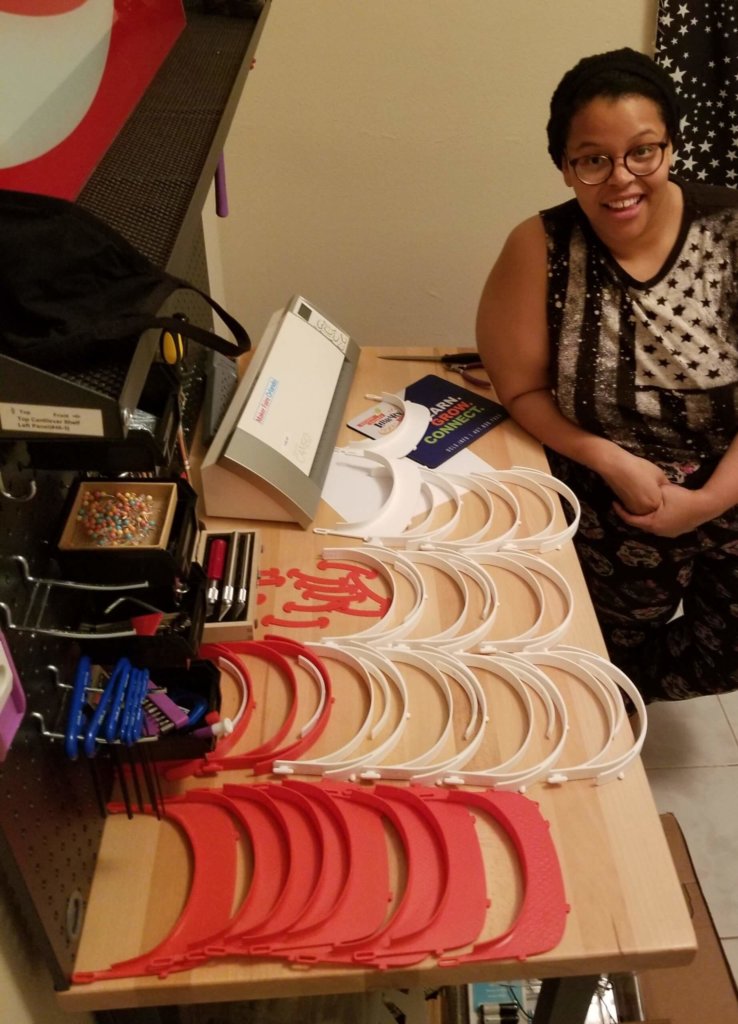
Orange County Library System woman works makes PPE equipment for Orlando Health

Orlando Science Center Volunteers Inspire No Matter Where They Are

Orlando Science Center Volunteers Inspire Science Learning For All!

Volunteer Appreciation Week may have been in April but we want to thank our devoted volunteers all year round for the amazing impact they have on everything we do! Despite the unusual circumstances we face surrounding COVID-19, Orlando Science Center volunteers continue to donate their time and energy to helping inspire science learning for life remotely. Volunteers are the backbone of the Orlando Science Center, and we would not be where we are today without their hard work, enthusiasm, and dedication.

Every day,  Science Center volunteers make a connection with someone which will last a lifetime. Whether they are explaining Newton’s Laws in Kinetic Zone, performing a science-based magic trick to an audience, or helping out behind the scenes — volunteers are the driving force behind our mission to inspire science learning for all.

Over the past year, 2,075 individuals volunteered at Orlando Science Center. These include Event Volunteers, Collegiate Interns, Adult Volunteers, and Catalyst Youth Volunteers. Each team brings their own unique skillsets, experiences, and authenticity to their service. You’ve probably seen them around the building wearing their various colored T-shirts!


These volunteers donated a total of 58,084 hours within the last 12 months. That’s 2,420 days worth of service! In that amount of time, you could read Charles Darwin’s On The Origin Of Species 4,323 times if you read at an average of 250 words per minute. Because alligators have been recorded swimming upwards of 20 miles per hour, an alligator could swim over 1 million miles if it had 58,084 hours to do so (and if it never got tired)!

Orlando Science Center loves tracking data. It helps us define our goals, gives concrete perspective on our impact, and we also find it interesting and exciting! But data doesn’t truly get to the heart of what our volunteers do on a daily basis. Data has a hard time defining the joy on someone’s face when a volunteer helps them create something new. Data doesn’t always show the benefit of admin work completed by our volunteers behind the scenes. And it certainly doesn’t evoke the delight we get working every day with a wonderful team of volunteers.


Our volunteers are committed to making the world better able to tackle complex problems by thinking creatively and collaborating, and helping us move toward a more equitable future by striving for growth.


It is a privilege to work with so many dedicated, hardworking, and amazing volunteers. We hope you will join us in thanking them the next time you interact with someone! You can learn more about volunteering here.

Dr. Morgan Cable — Her Story From Science Fairs to Saturn

Dr. Morgan Cable credits her successful career to early exposure to science.

Dr. Morgan Cable, the first-ever grand prize winner of the Dr. Nelson Ying Science Competition in 1999, has camped atop Mount Kilimanjaro in Tanzania, conducted research in the Atacama Desert in Chile, and has run multiple summer space camps in South Korea. Now, a Research Scientist at NASA’s Jet Propulsion Laboratory in California, Morgan focuses on asking questions about possible life in space.


She has worked on multiple projects like the Cassini Mission, which explored the Saturn system for more than 10 years, and as a collaborator on an instrument that will go on NASA’s next mission to Jupiter’s icy moon Europa. Her life story is full of scientific discovery and adventure, which is why she was one of the speakers at Orlando Science Center’s 2018 Galaxy Gala.


D. Morgan Cable was exposed to science at the earliest of ages. Growing up on the Space Coast in Titusville, she recalls “that undoubtedly had an effect on my upbringing, I was able to see numerous rocket launches just from my window!” Her father, a chemist at Kennedy Space Center — and Morgan’s biggest inspiration — always encouraged her to ask questions, and in doing so opened her to a world of exploration. She also credits frequent visits to Orlando Science Center to sparking an interest in science. “I liked that I could play and have fun, but I was also learning something.”


As an 8th grade student, she entered the first Dr. Nelson Ying Science Competition with the goal of helping humanity through scientific research. Young Morgan conducted a science project about whether or not she could grow a certain type of bacteria in a Martian environment. She was awarded the grand prize for her efforts.


Morgan heavily credits science competitions and organizations like Orlando Science Center for furthering her interest and passion in STEM learning. She recalls her ‘a-ha’ moment when realizing “wow, there are still so many
questions to be answered, and I could do this for a living!”


According to Morgan, exposing children to science at a young age is the most important thing parents, schools, and institutions can be doing.


“Science can be intimidating if you experience it later in life, if you’re shown it over and over again in a comfortable and fun setting, it becomes so much more approachable for all children. There is a really big mental hurdle in this field of thinking you’re not smart enough or not capable, but I’m here to tell you YES you are!” – Dr. Morgan Cable


Her message for anyone beginning to pursue a career in STEM is this: “No one knows your true potential except you. I have met scientists and engineers for NASA that used to be musicians and then one day decided they wanted to be a scientist and went for it. There is no right way to go about it. As long as you’re passionate about it – do it.”

Central Florida PPE Maker Movement Needs YOU to Join the Cause!

In Central Florida, PPE shortages have brought local Makers together even though we're all staying apart. 

In times of crisis it’s admirable to see how many people are eager to step up and lend a hand. But with so many needs to fill for Personal Protective Equipment (PPE), it can be difficult to know where to start, or what you can do to help fill the Central Florida PPE pipeline. Don't get overwhelmed! Everyone is capable of becoming a PPE hero. You just need the right tools and direction. Here are some tips on helping the cause.

Join an existing organization!

There are many organizations that have pulled together and are successfully optimizing their resources. The Maker Effect Foundation and Orlando Face Mask Strong are local responses for Central and South Florida. They work directly with healthcare providers and first responders to ensure they’re creating the supplies that are most in demand and are front line worker-approved designs. Find an organization near you!

Donate!

There are more way to donate than you think. While financial contributions and face masks are consistent needs, there are many way to contribute to the Central Florida PPE makers.

  1. Loan or donate equipment.
    Many large organizations are accepting equipment such as sewing machines, 3D printers and filament, and laser cutters.
  2. Donate materials.
    Extra fabric, elastic, printer filament, and more can all go to use. If you have materials lying around that may work for PPE, contact the groups above to see if they need them or can point you in the right direction. 
  3. Donate your time and skills.
    Can't sew? No problem! Many nonprofit organizations are in need of volunteers to help with project management  and running materials to keep their operations moving smoothly.
  4. Share it on social.
    Simply spreading awareness can go a long way! Sharing this article or the needs of your local groups on your personal social media outlets can work wonders. You never know who has the skills, equipment, or time to make a huge difference!

Stay Informed!

As situations and supply chains change, the needs of an organization may change as well.

It’s always a good idea to ask what supplies are most in demand.  GetUsPPE.org along with Open Source Medical Supplies and Nation of Makers are working together to have a single national database of PPE needs and suppliers to enable more rapid response at scale: https://getusppe.org/makers

Please remember that not all Personal Protective Equipment (PPE) is created equally and to do your research to ensure your masks will be as effective as possible.

Here are some medically reviewed PPE Design sites:

Thank you to all of our Central Florida PPE heroes!

Ying Science Competition Names Two Winners for 2020 Top Prize!

Two teens take home the top prize in the prestigious Ying Science Competition!

A pandemic can’t stop our two decades old tradition of honoring outstanding teen scientists! Since 1999, Dr. Nelson Ying — local scientist, entrepreneur and philanthropist — has partnered with Orlando Science Center to celebrate the exemplary achievements of local high school students.


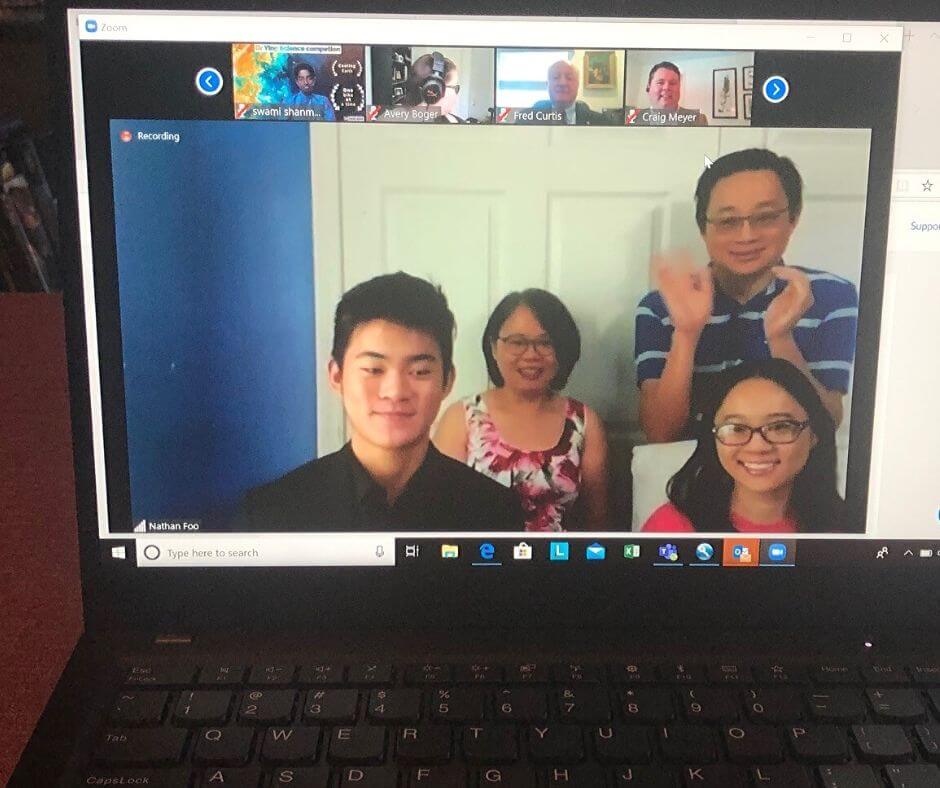
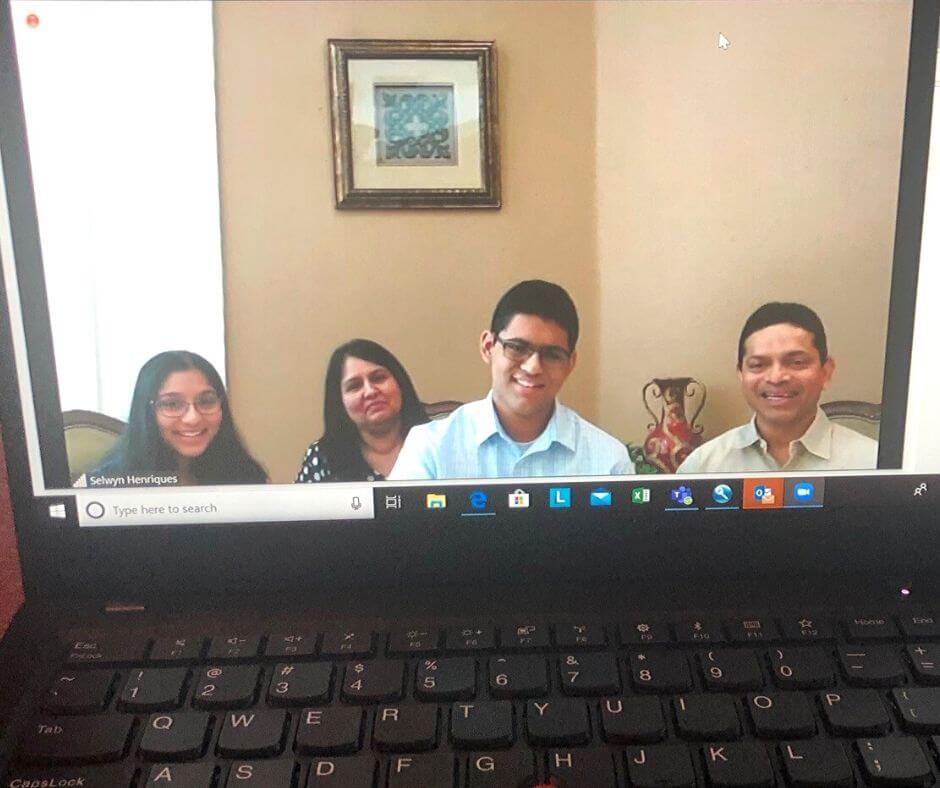
Among the five finalists this year, two projects so impressed Dr. Ying and the judges that these students—Nathan Foo and Ian Henriques — were both named Grand Prize Winners at an awards ceremony held in a Zoom session on Sunday, April 19. Each winner will receive a $5,000 scholarship, a $1,000 award for his science teacher or mentor, and an additional $1,000 for his school. The other finalists received $1,000 prizes to continue their research.


To compete in the Dr. Ying Science Competition, each entrant must perform a research project that has the ultimate goal of benefiting humanity. Finalists presented their findings during a Zoom session on Saturday, April 18.


Finalists usually defend their research each year before the assembled judges at Orlando Science Center and attend an awards ceremony the next day at Dubsdread Country Club in nearby College Park. Unfortunately, Orlando Science Center has been closed to the public as a public health precaution due to COVID-19. Dr. Ying and Orlando Science Center didn’t want to reschedule this competition so it moved online.


Meet the winners of the 2020 Dr. Ying Science Competition

Nathan Foo is 16 year-old junior at Brevard County’s West Short Jr./Sr. High School. He mechanized a system of “kangaroo care,” which addresses the incubation needs of preterm infants. Using mice as test subjects, Nathan used an Arduino circuit to control a vibration motor, which simulated a mother’s heartbeat, and attached it to a mat. The baby mice sit on the mat and it simulates the skin to skin contact that they would get from their mother, a procedure also known as kangaroo care.


Nathan’s invention could be used in developing countries where incubators for preterm infants were either not affordable or unavailable. He was inspired by his cousin’s experience in Malaysia, who was born premature. Nathan follows in his sister’s footsteps, who won the 2018 Dr. Ying Science Competition. He wants to study statistics and ultimately pursue social entrepreneurship and make a change in the world with his business skills.

Nathan Foo, winner of the 2020 Dr. Nelson Ying Science Competition, and family

Ian Henriques is a 16 year-old junior from Seminole County’s Seminole High School. He developed a simple, open source model for controlling drones during natural disasters that conserves fuel and avoids collisions. Ian’s project was inspired by his passion for computer programming. A self-taught programmer, he noticed that most algorithms for controlling drones are proprietary and not available to the public.


Since drones can be used for providing relief during natural disasters, he wanted a simple and efficient way to control them that could be available for use in developing countries. Ian’s research also has commercial applications since it helps to operate drones faster and more efficiently, maximizing benefit and minimizing cost. He is currently in dual enrollment at UCF and would like to ultimately go to MIT for computer engineering.

Ian Henriques, winner of the 2020 Dr. Nelson Ying Science Competition, and family

The remaining Ying finalists each received $1,000 prizes

Dr. Ying decided to award the other finalists each with $1,000 cash prizes for their research. The remaining finalists included:

  • Kyle Bramblett, 17 year-old senior from Brevard County’s Titusville High School, for trying to see if an artificial calcite structure could have significant effects on reducing ocean acidification, increasing oyster growth and improving water quality. A Florida Native, Kyle’s project was inspired by his love of the ocean. He realized over the years how murky the water had become due to ocean acidification and designed a way to address it.
  • Varsha Naga, 15 year-old sophomore from Seminole County’s Winter Springs High School, for engineering a nanoparticle coating on catheters to prevent bacteria from adhering to them. This coating reduces the accumulation of biofilm, which ultimately reduces the risk of infection and death. Varsha lost a friend to a catheter-related infection, which inspired her research.
  • Pranav Swaminathan, 17 year-old junior from Volusia County’s Spruce Creek High School, for designing a simple, practical device for vehicles to reduce carbon emissions. Pranav’s project was inspired by smelling the exhaust fumes from a passing car during a childhood bike ride. He realized that every car on the road was producing these emissions and something needed to be done about it. Pranav believes every living thing has a right to breathe clean air.

History of the Ying Competition at Orlando Science Center

Dr. Nelson Ying is a longtime supporter of Orlando Science Center. After sponsoring numerous exhibits and serving on the board, he decided to try something new. He wanted to support the Science Center’s mission to inspire science learning for life while also creating an opportunity to encourage exceptional science achievement among young people.

He and Fred Curtis, another long-time Science Center volunteer and donor, started the Dr. Ying Science Competition in 1999. Ying hopes to inspire young people to become good role models and successful world-changers by leveraging their passion for science. Dr. Ying’s son, Nelson Jr., now oversees the competition with Ying and Curtis in collaboration with Orlando Science Center. Past winners of the Dr. Ying Science Competition have gone onto prestigious universities, such as MIT and Johns Hopkins, and fascinating STEM careers, including NASA’s Jet Propulsion Laboratory.

Build a Birdhouse Upcycled Activity: A Maker Project Worth Tweeting About

Build a birdhouse to attract your fine-feathered friends!

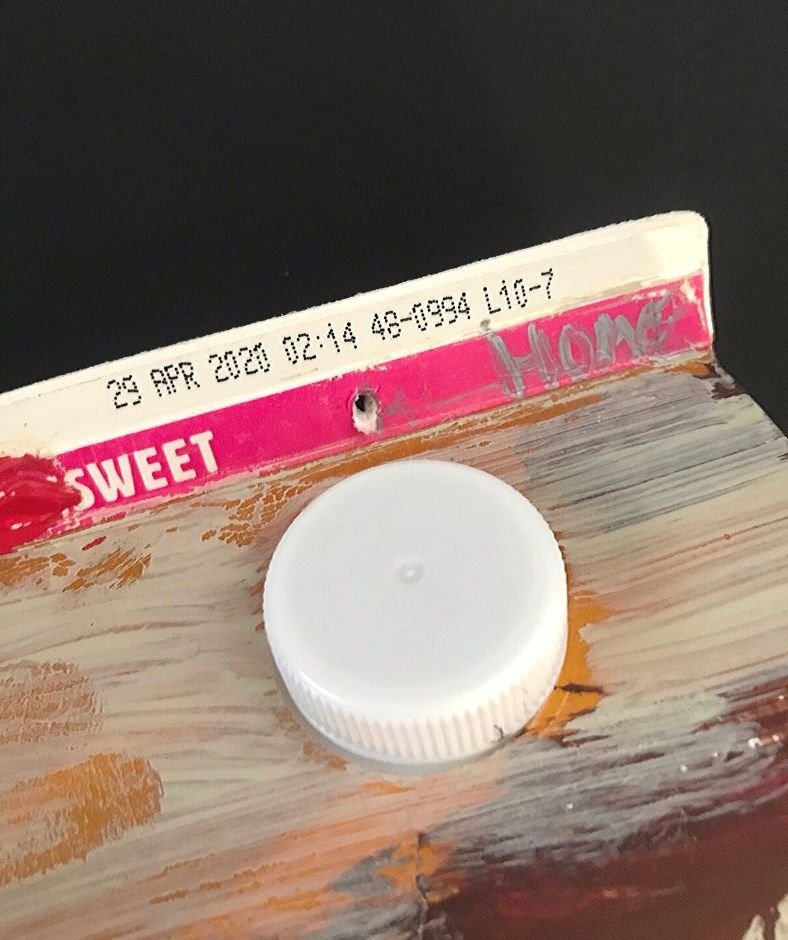
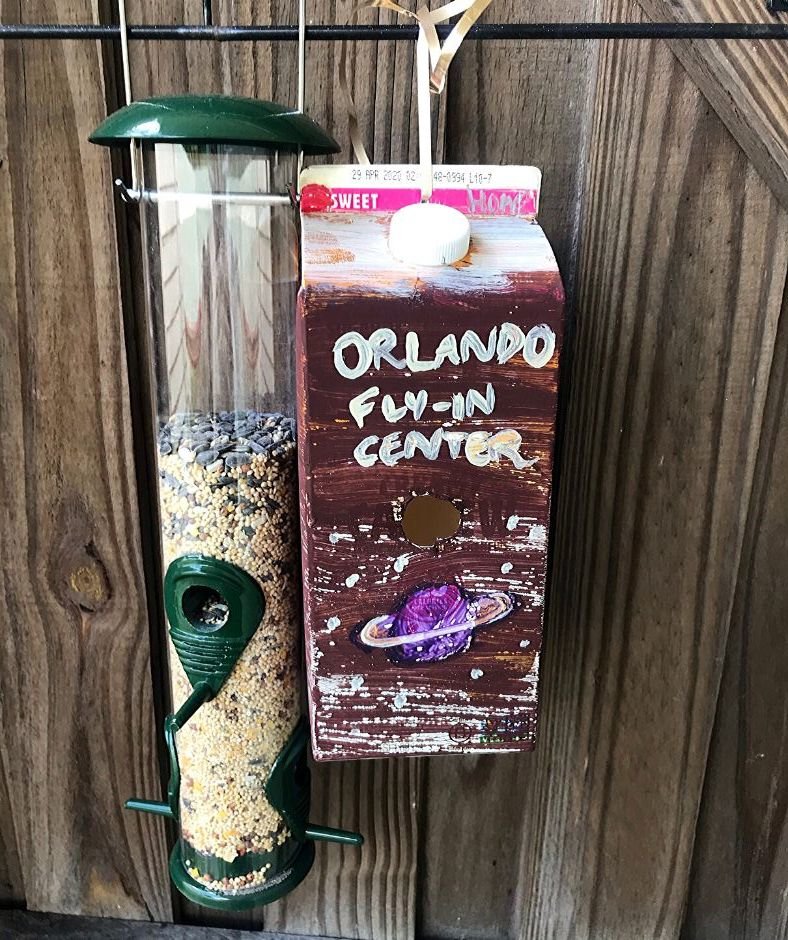
Do you have a quart carton in your recycling bin? Why not turn it into a home for your local birds? Birds are some of the best tenants. They're not picky about their homes and are pretty grateful to have them. They may even thank you with a sweet song. 
 
Here are some tips so you can build a birdhouse you will be proud of!
 

Materials:

  • An empty quart carton

  • A pair of scissors

  • A ruler or measuring tape

  • Decorating supplies (optional)

  • String or ribbon


Note: Have your grownup help you with the cutting and poking holes steps! These can be tricky.

Directions:

  • Rinse out your carton. Give those birds a fresh start!

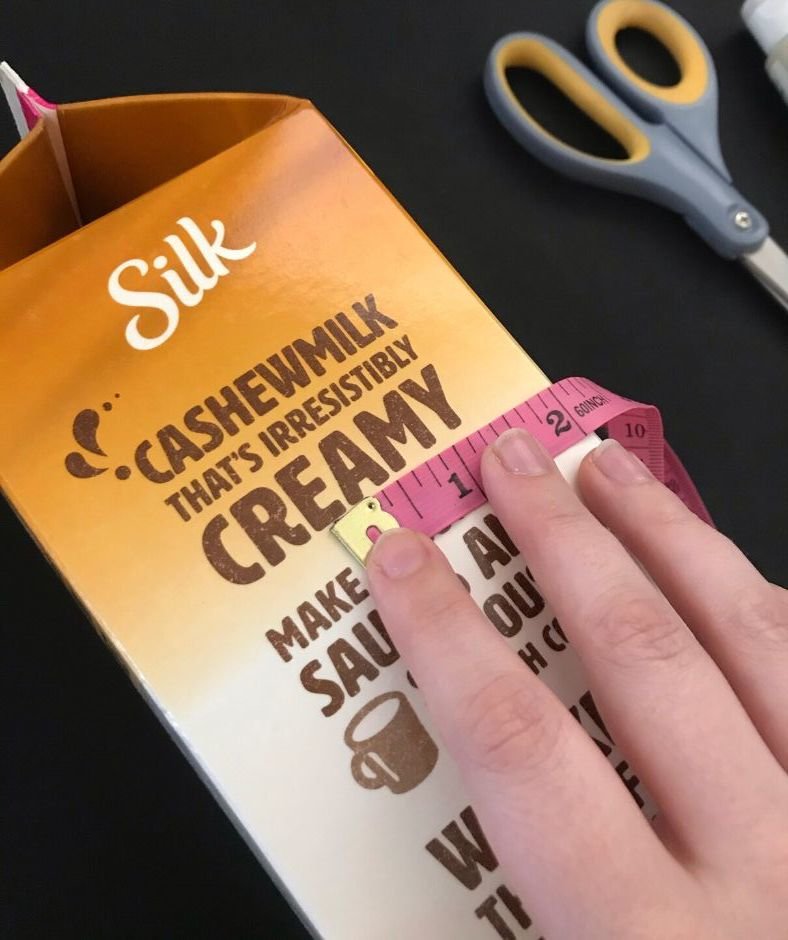
  • About halfway up your carton, cut a hole about an inch wide. Quart cartons are about the right size for a wren – they like to have a small entryway so that bigger birds can’t invade their house.

cut-quart-carton-for-wren-birdhouse-diy
  • Poke some holes in the bottom of the carton to drain out rain.

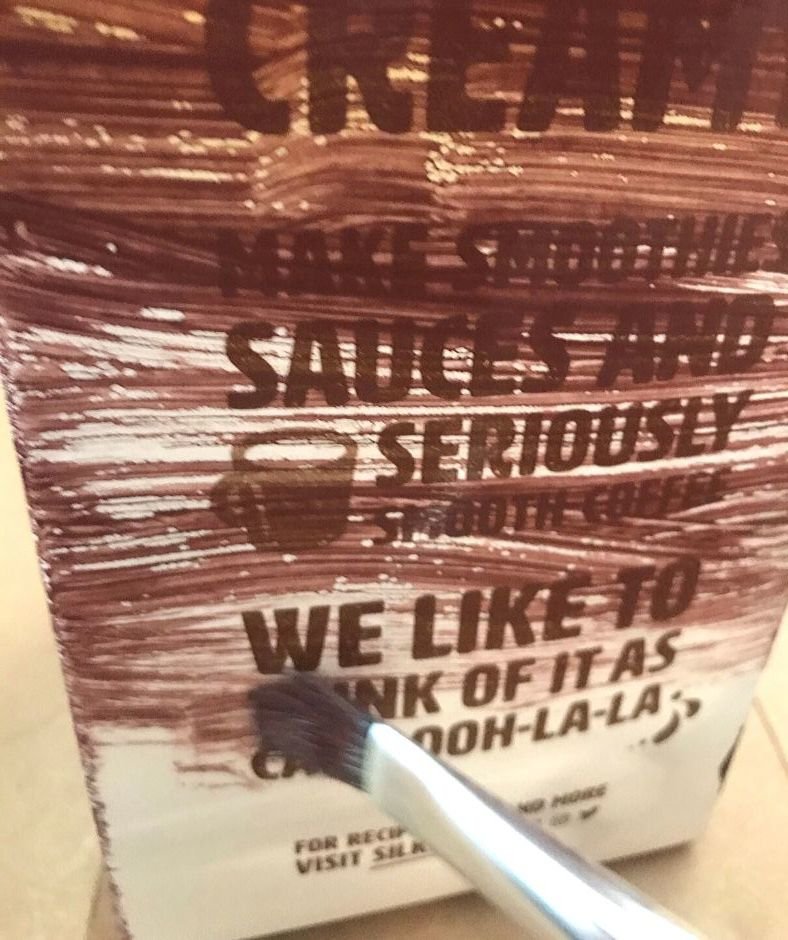
  • Start decorating! Birds have color vision, so they can enjoy the same colors that you can!

decorate-your-upcycled-birdhouse
  • When you’re finished decorating, poke a hole in the top part of the carton.

  • Thread a piece of string, ribbon, or fabric scrap through the hole.

how-to-hang-your-diy-birdhouse
  • If you want to create a little perch for the birds, you can find a narrow twig, poke a hole through the sides of your birdhouse, and thread it through!

  • Hang your birdhouse up on a tree! The birdhouse should hang at least four feet off the ground.

build-birdhouse-to-hang-outside-with-orlando-science-center-activity

What will attract birds to the birdhouse you built?


Wrens eat insects, so it’s no big deal if you don’t have a bird feeder. You can help attract birds by putting some water out for them in a birdbath! You can use any shallow container, like a plastic food container, for this – it only needs to be a few inches deep.


If you want to get creative, wrens have been known to enjoy peanut butter! Try putting a dot on the tree near your birdhouse.

OSC At Home Emails

Get a round up of our latest activities and ideas delivered straight to your inbox so you don't miss a thing!

Find out when we release new resources by following us on social media!


Follow us on social media for even more science fun including fun facts, games, behind-the-scenes photos, and more!


Facebook LogoInstagram LogoYouTube LogoTwitter Logo

Support OSC At Home

In these ever-changing times, it is our pleasure to adapt quality Orlando Science Center experiences to engage with everyone while they are safe at home. Please consider supporting our operating fund to ensure we can continue developing resources today and well into the future. Thank you for your generosity and support!

Participate in the OSC Science Showcase • Submit Your Projects Today!

Calling all at-home scientists and makers! We're collecting submissions for our Science Showcase!

We're asking for you to share what you’ve created, tried, or learned through our OSC at Home resources page or any other activities you have been inspired by while at home. 


The OSC Science Showcase is an open call for you to share anything you're proud of or enjoyed doing!


Have you tried an experiment? Made something awesome? Found a new hobby? We want to hear all about it so we can show off our favorite part of Orlando Science Center – you!


If you have any questions about any of our resources, you can reach our team by email at sciencelive@osc.org

What to submit: 

  • Photos of you in action
  • Photos of your finished product
  • Short videos (under 30 seconds)

How to submit: 

Fill out our online Science Showcase submission form below to share your amazing projects for an opportunity to be featured on our channels.
Please note that by filling out the form, you are giving Orlando Science Center permission to share your images.
Rock candy photo by @modernalternativemom
Rock candy recipe results from @ModernAlternativeMom on Instagram!

If you post on social media, be sure to tag Orlando Science Center or use the hashtag #OSCatHome. We can't wait to see what you've been working on!

The Caldera Forms plugin is not activated

OSC At Home Emails

Get a round up of our latest activities and ideas delivered straight to your inbox so you don't miss a thing!

Find out when we release new resources by following us on social media!


Follow us on social media for even more science fun including fun facts, games, behind-the-scenes photos, and more!


Facebook LogoInstagram LogoYouTube LogoTwitter Logo

Support OSC At Home

In these ever-changing times, it is our pleasure to adapt quality Orlando Science Center experiences to engage with everyone while they are safe at home. Please consider supporting our operating fund to ensure we can continue developing resources today and well into the future. Thank you for your generosity and support!

Prestigious Dr. Nelson Ying Science Competition Names 2020 Teen Finalists

Prestigious Science Competition Moves Judging Online for Teens to Present their Groundbreaking Research Projects 

Since 1999, Dr. Nelson Ying — a scientist, entrepreneur and philanthropist — has partnered with Orlando Science Center to celebrate the exemplary research of visionary high school science students through an annual science competition in his name.


Every year during the Dr. Nelson Ying Science Competition, five students from across Central Florida are selected to present their groundbreaking scientific research to a prestigious Judges panel. One winner is selected to receive a cash scholarship as well as cash prizes for their teacher and their school.


This year, finalists were scheduled to present their research on Saturday, April 18 at Orlando Science Center with an awards ceremony planned for Sunday, April 19 at Dubsdread Country Club in nearby College Park. Unfortunately, Orlando Science Center has been closed to the public as a public health precaution since March 16. Instead of cancelling this event, Dr. Ying and Orlando Science Center decided to move the competition online.


Dr. Ying and Orlando Science Center didn’t want a global pandemic to stop this competition, which has been a tradition for over two decades. Finalists will now present to the judges via Zoom on Saturday and then attend a virtual awards ceremony on Sunday.


To compete in the Dr. Nelson Ying Science Competition, each entrant must perform a research project that has the ultimate goal of benefiting humanity. Projects are presented to a judges’ panel, consisting of retired engineers, scientists, educators, and Dr. Ying himself.


The finalists for the 2020 Dr. Nelson Ying Science Competition are as follows:

  • Kyle Bramblett, Titusville High School, for trying to see if an artificial structure could have significant effects on oyster growth, increasing oyster spats, and improving water quality.
  • Nathan Foo, West Shore Junior/Senior High School, for testing to see if mechanically simulated kangaroo care is an efficient and feasible method for treating preterm babies.
  • Ian Henriques, Seminole High School, for devising a simple, adaptive model for controlling drones for service during natural disasters in a way that conserves fuel and avoids collisions.
  • Varsha Naga, Winter Springs High School, developing a technique to reduce the risk of infectious deaths in patients with central venous catheters.
  • Pranav Swaminathan, Spruce Creek High School, for designing a low cost and practical device for motorcycles that can be used to reduce emissions.

Please check back on Monday, April 20 when we share the winner of the competition. The winner will receive $5,000, $1,000 for their school and $1,000 for their teacher or mentor. Previous winners have gone on to continue their research at top universities, such as MIT and Johns Hopkins and even work for NASA.

Renewable Energy Workshops — OUC Project A.W.E.S.O.M.E Lessons For Your Virtual Classroom

Project AWESOME is a collaboration between Orlando Science Center and OUC that has impacted over 100,000 students in Orange and Osceola counties over the past decade through renewable energy workshops.


These renewable energy workshops are typically delivered directly to the classroom, but since schools are currently closed due to precautions around COVID-19, this effort has shifted online. There will be 7 lessons available in the form of a voiced over PowerPoint. Each lesson will include science content, discussion questions, an activity for students to complete, and a reflection.

In 2009, Orlando Science Center created a STEM-based program on water conservation and alternative energy partnership with OUC - The Reliable One which has reached every 5th grader in OUC's service area. These hands-on renewable energy workshops stimulate STEM skills like critical thinking, communication and collaboration through projects that address real-world issues around water conservation and alternative energy.


Project AWESOME stands for Alternative Water and Energy Supply; Observation, Methods and Education. It brings science to life for thousands of students every year through inquiry-based instruction focused on renewable energies and water conservation. Students are immersed in real-world environmental problems that enhance their abilities to think creatively about sustainable solutions for today’s challenges. Additionally, the OUC Project A.W.E.S.O.M.E. includes curriculum content that reinforces concepts taught in-class and helps prepare students for Florida Standardized Assessment testing.


If you are not an educator or are looking for more at-home learning resources, view our resources page here.

Virtual Art Gallery: Experience UCF’s The Beethoven Project (A New Light)

Premiered February 14 in Orlando Science Center's FUSION: A STEAM Gallery

As Orlando Science Center closed in response to COVID-19 during the run of the exhibition The Beethoven Project (A New Light), we wanted to bring the artwork to you to explore as a virtual art gallery so you don't miss this phenomenal experience presented by the graduate students in the Animation and Visual Effects Master of Fine Arts program in the School of Visual Arts and Design at UCF.

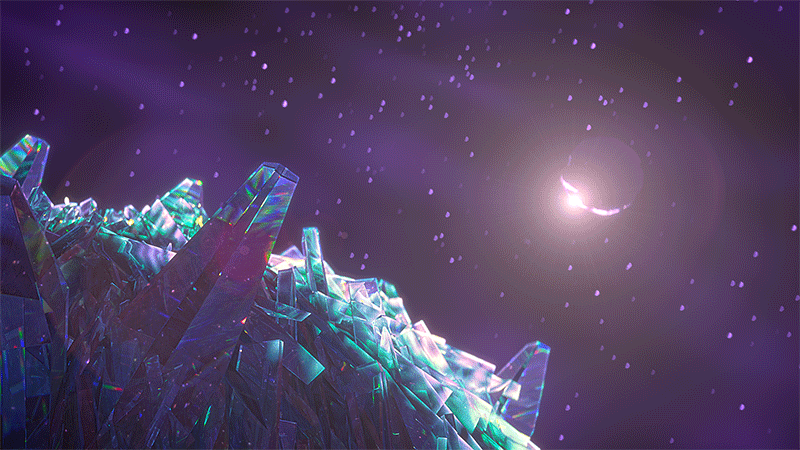
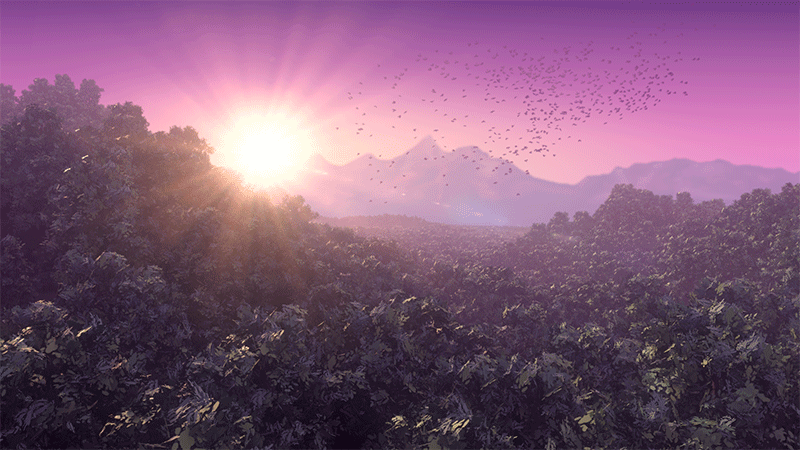
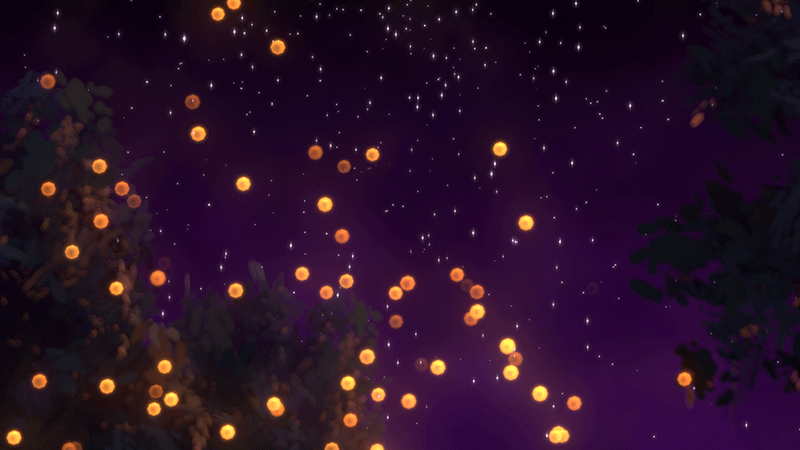
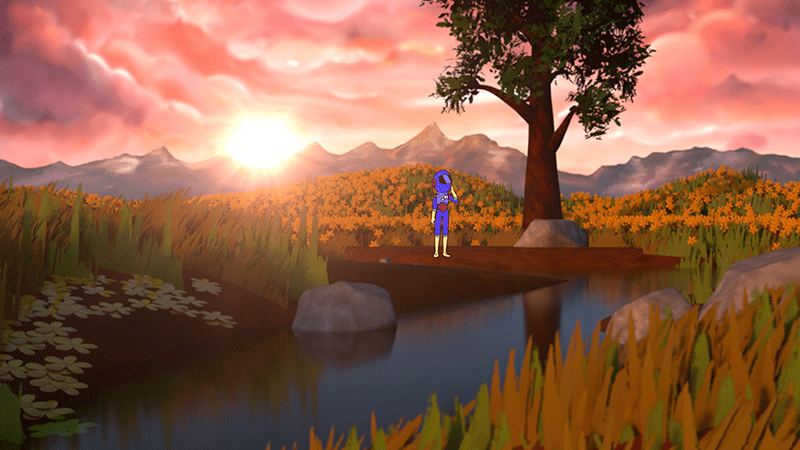
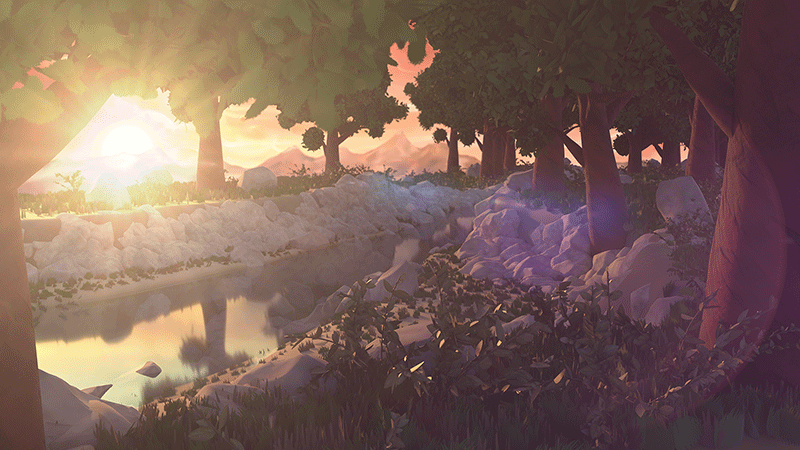
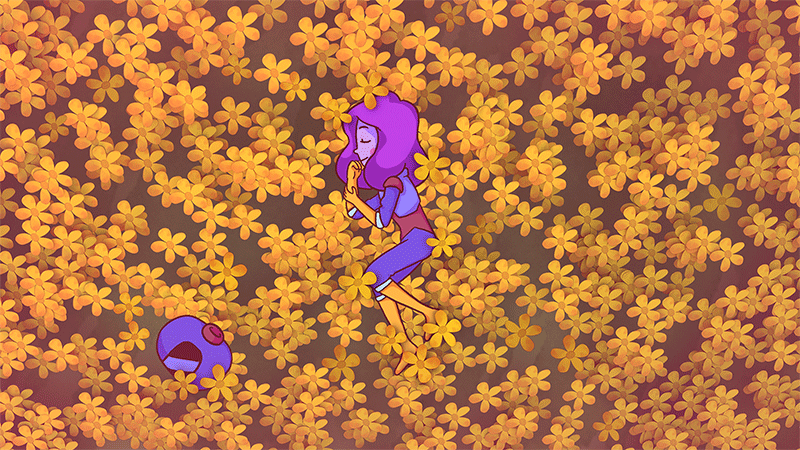
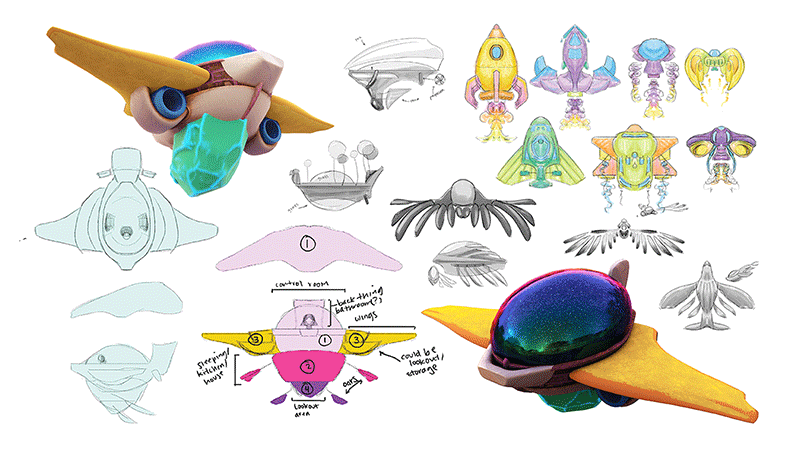
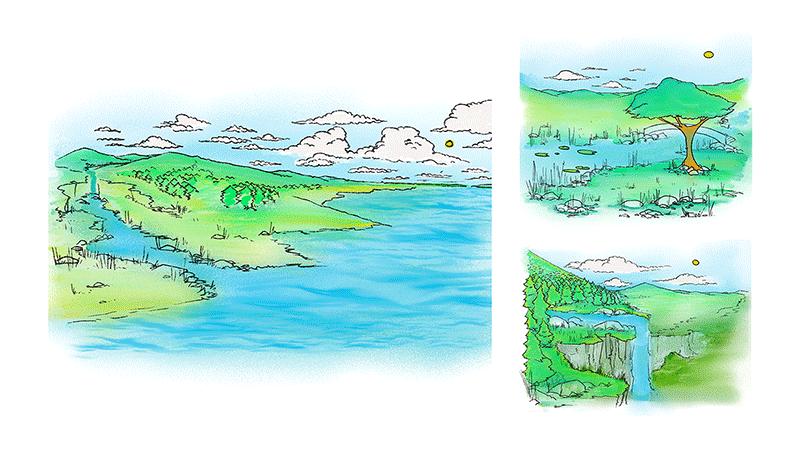
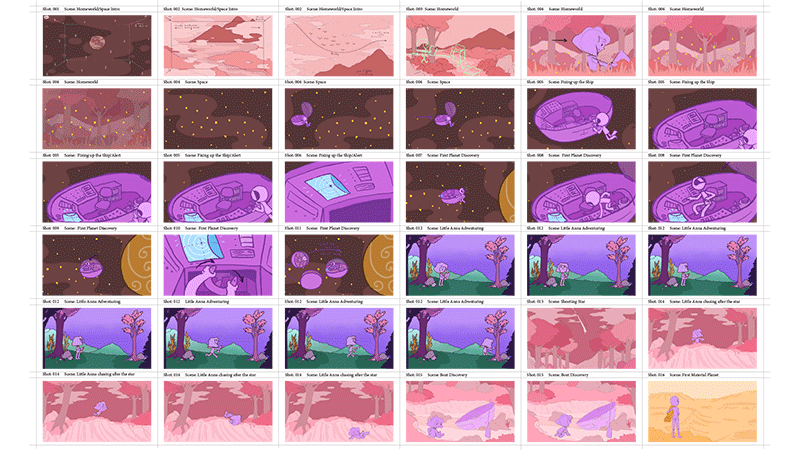
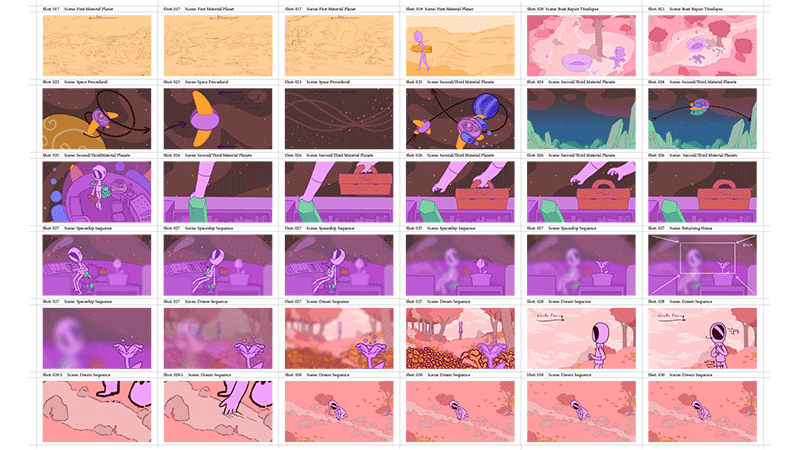
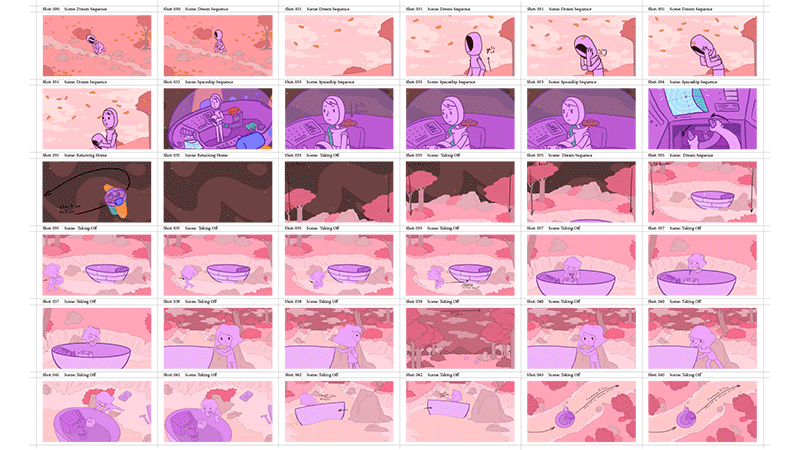
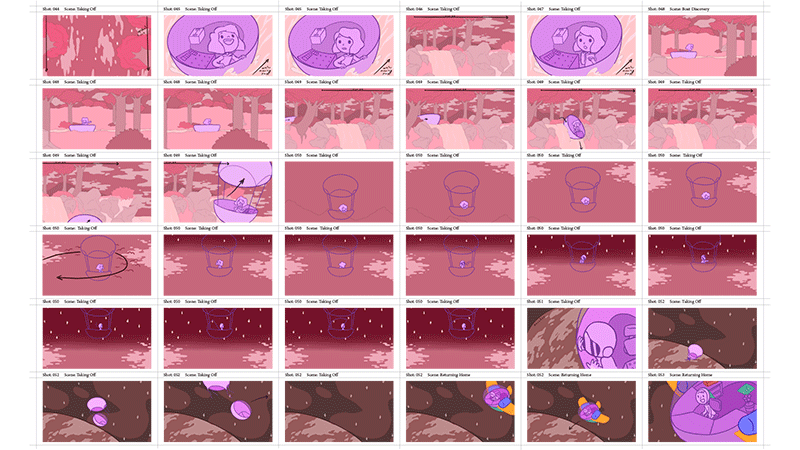
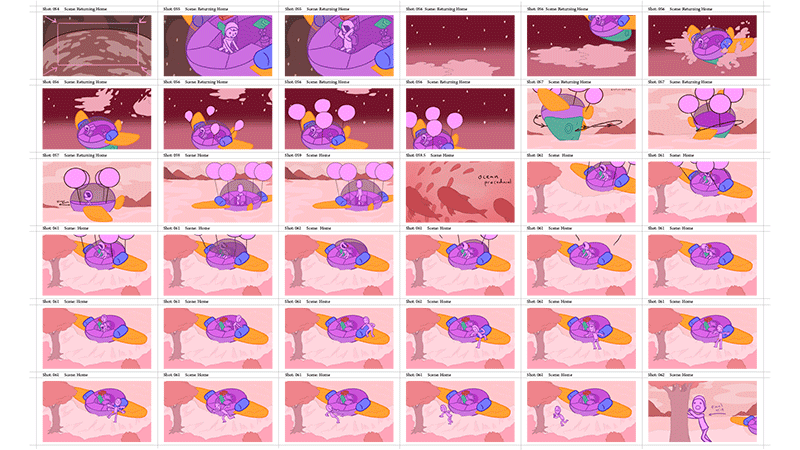
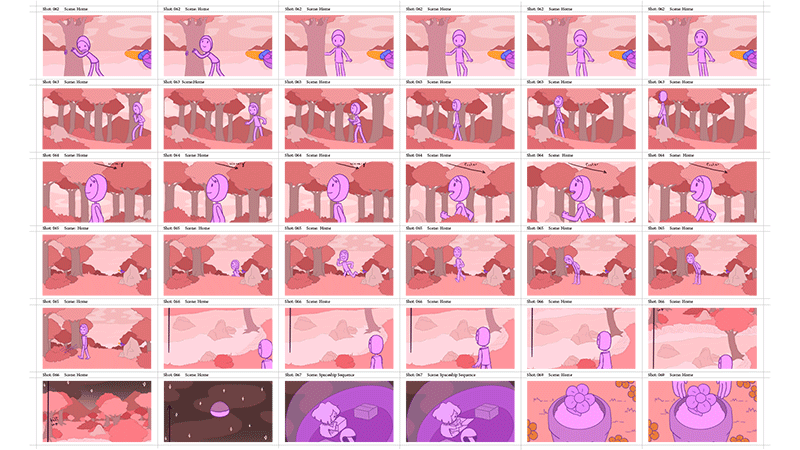
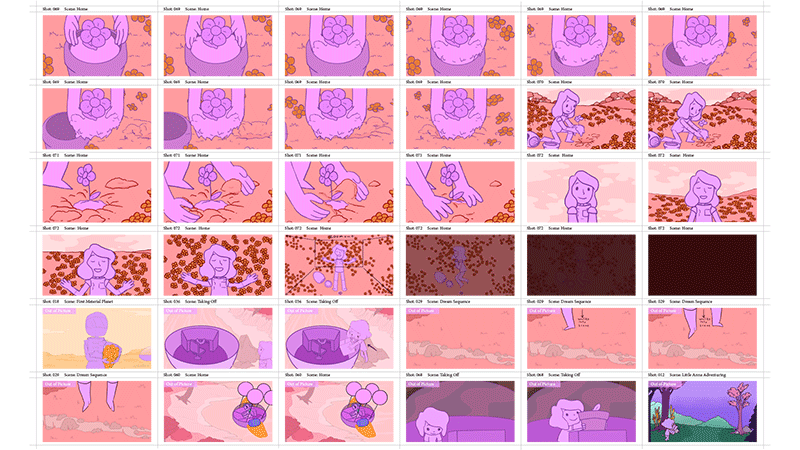
This exhibit displays artworks by the 13-person team that includes surreal landscapes, imagined space phenomena and foreign worlds. Included are digital prints of an array of pre-production development imagery, several proof of concept images, early production stills as well as a work-in-progress reel. These elements represent the various stages of producing a hybrid 2D-3D animated short film.


The pieces will come together as an animated narrative featuring a story about a fearless young space explorer written to accompany the UCF Orchestra’s performance of the Second Movement of Beethoven’s Sixth Symphony debuting in 2020. The film features the story of a young explorer who dreams of space travel. Only after building a spaceship and living among the stars does she realize that she yearns for the comfort of her garden at home.

The Beethoven Project - Jade Asteroid
The Beethoven Project - Home Planet 169

Students: Indianna Alvarez-Sanchez, Ana Beltran, Savannah Berry, Clinnie Brinson, Christina Christie, Emma Cuitino, Imani Dumas, Hannah Huffman, Ira Klages, Desiree Rangel, Nate Shrage, Damian Thorn-Hauswirth, Dillon Williams


Advisors: Jo Anne Adams, Cheryl Briggs, Darlene Hadrika, Dr. Chung Park, Dr. Stella Sung


Special thanks:

Sam Flax for donation of frames and framing services.

Klages Kreations for donation of printing services.

UCF School of Visual Arts and Design


Software Used:

The Foundry Nuke, Autodesk Maya, Adobe Creative Suite, Procreate, Toon Boom Harmony, Pixologic ZBrush, Adobe Substance Painter, Solid Angle Arnold