The process of science is the ongoing creative and collaborative way that scientists investigate questions, gather and evaluate evidence, develop explanations and revise ideas over time.
The process is messy, and it doesn't always follow neat steps in order. It's full of observation, experimentation, theories and hypotheses - and scientists must revisit those ideas over time. Answers change as new data comes into play. The idea that what’s true today could change tomorrow makes many uncomfortable, but it’s important to remain open to new information in this never-ending pursuit of knowledge.
We live in a world of constant information – mostly communicated online where there can be very little evidence-based reason or fact-checking. We want to strengthen people’s skills in the process of science so they can use critical thinking to test new information against a body of evidence. Trusted resources for information online and onsite activities help illustrate how the scientific method can help people better understand the impact of science on the major issues of the day.
Mythbusting Misinformation
One of the biggest and most beautiful challenges we face is that our understanding of the world is constantly changing based on new discoveries and information. Knowledge is not static. Theories change and evolve. As we continue to learn, we continue to grow.
This means that what we believe to be true may change as new evidence comes into play. Our core approach to developing science literacy skills, supported by funds from the Institute of Museum and Library Services (IMLS), uses critical thinking to make informed decisions, including evaluating evidence and data related to science topics. 
Proof is a Process
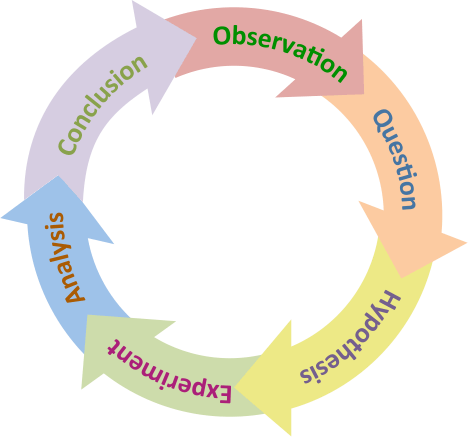
The scientific method is based on inductive reasoning, which means that scientists make observations and test them to reach a conclusion. The method is a cyclical process, and each conclusion often leads to a new observation.
The scientific method applies to so much more than just science, though! Anyone can use the scientific method to test observations in their everyday lives.
There is a lot of information regarding scientific topics presented without evidence-based reasoning or fact checking.
Applying the Scientific Method and Critical Thinking to Your Decision Making
Using this method can be incredibly useful when trying to make informed choices. For example, imagine a friend shares an image on social media that claims the Great Wall of China is the only man-made thing visible from the Moon. You might ask yourself, “Is this true? Wouldn't you be able to see cities, too? They're much larger and brighter than the Great Wall of China.”
So, you investigate. You look at the source of the information and discover that your friend reposted the image from a faceless account that shares content without context. You complete a reverse image search to find the photographer who took the photo, and you discover that they were an astronaut with NASA.
You find out that the photo was taken using very specialized, high-powered lenses, without which, you would not be able to see the Great Wall of China from the Moon. In fact, you can't see any individual man-made object without the assistance of a telescope. You’ve done your analysis and concluded that your hypothesis was incorrect - but your skepticism was justified. You’ve just applied the scientific method to information you found online and found the answer for yourself!
Want to apply your skills to a particular topic? Check out these resources we've compiled on climate science, conservation, and public health!

Our Changing World
Caring for the planet can be intimidating, so we're investigating the complex connections between us and our atmosphere.

Conservation Counts
What's the difference between preservation and conservation? Learn to be a responsible steward of the planet's resources.
How Vaccines Work
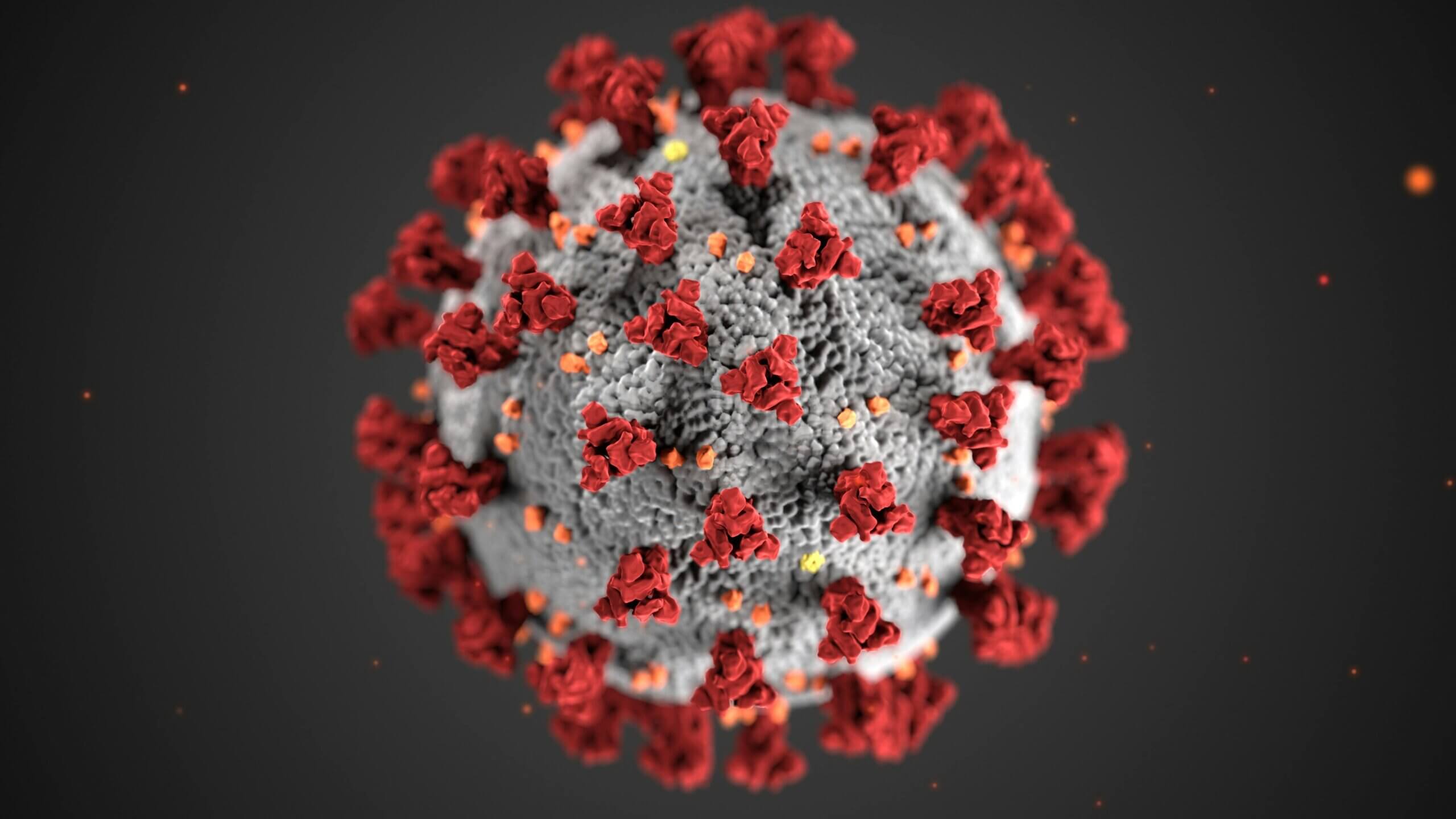
What's a vaccine? What happens inside your body when you receive one? Discover the science behind innoculation.

The Case for Space
Discover the incredible ways space exploration impacts your everyday life, even if you've never left the planet!
Resources for Understanding the Scientific Method
The Scientific Method: Steps, Examples, Tips, and Exercise
From Sprouts, an organization dedicated to explaining complicated ideas in simple cartoon animations, this video is a kid-friendly introduction to the scientific method.
How Simple Ideas Lead to Scientific Discoveries
Adam Savage – widely known for his time on the hit show MythBusters – may not have a college degree, but he has a curious mind and shows that anyone can use the scientific method to learn something new!
An Introduction to Misinformation
Let’s put the scientific method to use by exploring how we can use it to identify misinformation. That means we first need to understand what misinformation is. It can be as difficult to explain as it is to recognize! These videos do a great job at introducing the topic of misinformation.
Temple University's "Fake News", Misinformation and Disinformation: How to identify and avoid inaccurate information. is a fantastic starting point for anyone looking to learn more about discerning trustworthy sources. The site gives an overview of types of "Fake News" and how to identify it, as well as resources for practicing your evaluation skills, tools for fact checking, unconscious bias assessments and so much more.
Educators, be sure to check out Temple's Teaching Resources page for activities and content to help you broach the subject of misinformation with your students!
- From PBS:How to Talk to Kids About Honesty. Despite our best parenting efforts, most kids are going to lie sometimes. In this article, experts share how to encourage children to speak openly and honestly.
- From Parents:Age-by-Age Guide to Lying: How to Teach Kids About Honesty. In this article, experts outline the reasons why children lie at different ages as well as some age-appropriate strategies for addressing deception as caregivers teach their children to value honesty.
- From Scholastic:The Truth About Lying: Learning to fib is an important step in your child's development. Learning to lie plays an important and positive role in normal development of skills such as independence, perspective taking, and emotional control. This article outlines how, developmentally, lying evolves in young children and shares some strategies for helping children develop a better understanding of truthfulness
You're Almost Ready to Put Your Knowledge to the Test!
Check out these videos to learn critical skills, such as identifying a misleading graph (very important and very common in scientific research!). Plus, learn how misinformation can spread and what your role in the cycle is!
Test Your Truth-Detectors!
At Orlando Science Center, we are still learning new things every day about how to be better communicators and purveyors of information. As we find new games and tools to help us improve, we want to share them with you! Try out the games below (and check back for more games soon!) to test your truth sleuthing skills, or come visit the Science Center, where you'll get hands on with Pop-Up Science programming around the building!
Bad News (For Ages 14+)
This game is designed to help players expose the tactics and manipulation techniques that are used to mislead people and build up a following. Bad News works as a psychological "vaccine" against disinformation: playing it builds cognitive resistance against common forms of manipulation that you may encounter online.
AutoCorrect
An interactive experience that will teach you how to sift through misinformation and analyze your own sources.
This project was made possible in part by the Institute of Museum and Library Services. The grant number is MA-255554-OMS-24. The views, findings, conclusions or recommendations expressed in this website do not necessarily represent those of the Institute of Museum and Library Services.