A Shot at Life
Vaccines are one of science’s most powerful tools for protecting human health. They work by training our immune system to recognize and respond to harmful germs like viruses and bacteria. Instead of fighting a disease after it strikes, vaccines give our bodies a “practice run,” so we can respond quickly and effectively if we’re exposed in the future.
Accurate vaccine information is critical and can help stop common myths and rumors. In our effort to combat misinformation through our Science Matters program, we hope this page will help you learn about the science and history of vaccines, how immunity develops, and what happens when vaccination rates rise or fall. We also provide trusted resources that can help you make informed decisions for you and your family.
Questions to Consider
By the end of this page, you should be able to answer the following questions:
What is a vaccine and how does it work?
How do vaccines affect my life?
What can I do to help keep my community healthy?
Getting Oriented
Let’s look at a few definitions first, because while terms like vaccination, inoculation, and immunization are often used interchangeably, there are a few differences. Here are some definitions according to Merriam-Webster:
- Vaccine (noun): a preparation that is administered (by injection) to stimulate the body’s immune response against a specific infectious agent or disease.
- Inoculate (verb): to introduce immunologically active material (such as an antibody or antigen) into a being, especially in order to treat or prevent a disease.
- Immunization (noun): the act of making someone or something immune or the state of being immune; the act or result of immunizing someone or something.
In other words, a vaccine is a biological substance, inoculation is the process of introducing this substance, and immunization is the result of the process.
A Brief History of Vaccines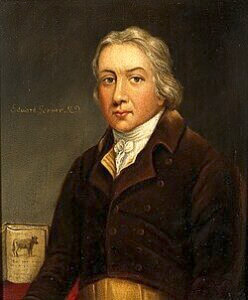
The idea of vaccines began centuries ago (possibly as early as 200 BCE, but definitely by the 1400s) with a practice called “variolation,” which involved exposing healthy people to smallpox. This was risky but often prevented serious disease; according to the Center for Disease Control (CDC), the death rate among variolated individuals was far lower than among those who contracted smallpox naturally.
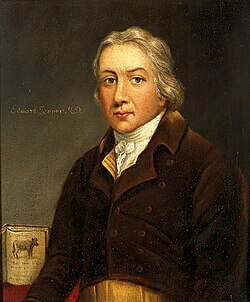
The first vaccine as we know it was created in 1796 by Dr. Edward Jenner, who discovered that people infected with the bovine disease cowpox were immunized against smallpox. This vaccine eventually led to the complete global eradication of smallpox by 1980. This is where we get the word “vaccine,” which comes from the Latin word for cow: “vacca.”
Throughout the 19th and 20th centuries, scientists used similar processes to develop vaccines for diseases such as rabies, polio, measles, and influenza – the last of which you probably know as your annual flu shot! Each of these vaccines helped reduce illness, disability and death worldwide.
Today, vaccines continue to evolve. Modern research uses advanced methods like genetic sequencing and mRNA technology to create new vaccines faster and with greater precision. mRNA vaccine technology was in development as early as the 1970s, which is why scientists were able to develop COVID-19 vaccines so quickly fifty years later.
For a more in-depth history of vaccination, check out these resources from the World Health Organization (WHO). You can also find a more complete list of vaccine preventable diseases from Shot at Life, an organization dedicated to ensuring everyone in the world has access to lifesaving vaccines.
How Do Vaccines Work?
In the simplest of terms, vaccines work by introducing a new pathogen into the body to help it become familiar with how to fight future infections. By introducing an inactivated germ or weakened pathogen, vaccines stimulate the immune system without causing disease. This controlled exposure trains immune cells to recognize and respond rapidly to future infections, creating lasting protection. Here are some videos to help break it down for you!
 By the way, vaccines aren’t just for people; they protect animals, too! If you have a pet at home, odds are that they received their core vaccines when they were young. This helps protect them from viruses that impact their species. For example, veterinarians administer the rabies vaccine to both cats and dogs to help protect them in case they encounter a wild animal that hasn’t been treated.
At Orlando Science Center, we have a vet come to visit the animals in the Life exhibit on a regular basis, in part to make sure our animals are up to date with their recommended vaccinations. Our animal care team also makes sure to stay current on vaccinations for any illnesses that can be transmitted from humans to animals or vice versa, keeping everyone involved safe!
What Happens When Communities Don’t Vaccinate?
Getting vaccinated is a personal choice and there are many reasons individuals may not participate in vaccination. Some people may be allergic to an ingredient in the vaccine, such as egg or gelatin, which are often used as binders. Others may not have access to vaccination, or they may be immunocompromised, meaning their body wouldn’t be able to fight off even a weakened virus or bacteria.
It's important to understand the relationship between how many people are vaccinated in your community and how that affects the spread of an infection. For example, let’s look at measles.
For an unvaccinated population, one person infected with measles can infect up to 18 others on average. But if, say, 15 of those people have been vaccinated, the disease has much less opportunity to spread. This is a concept called herd immunity, which provides protection for all members of a community by meeting a vaccination threshold. For measles, 92-94% of a population must be immunized for herd immunity to protect the whole group.
If a population falls below that threshold, the community faces higher chances of a measles outbreak. This has happened multiple times in the United States over the past 50 years, with major outbreaks in 1989, 2014, 2019 and 2025. As of December 2025, three people have died from the measles in the United States. This video from SciShow was released during the 2014 outbreak and does a great job of explaining the science behind outbreaks of measles.
In recent years, the United States has seen an increase in voluntary abstention from vaccination. People are choosing not to vaccinate themselves due to religious beliefs, concerns over side effects, or simply a lack of understanding of vaccine science.
What You Can Do
If you’re not sure about where to get reliable information, use the scientific method! Ask questions, do some research on your own, find experts, and come to your own conclusions. We recommend the WHO as a great place to start; they’ve been compiling expert research and development for years and meet the highest standards of scientific inquiry.
Don’t forget that proof is a process; science isn’t static; it’s constantly evolving as we learn. Science and the scientific method are about testing and re-testing hypotheses, trying new things, and expanding our knowledge base to inspire new questions. It’s a complex and valuable process!
For example, we used to believe that the T. rex stood upright and weighed around five to seven tons. But with new discoveries, we’ve learned it’s more likely that T. rex stood with their head lowered and tail extended, and new technology suggests they were much heavier.
Vaccine science is like that too – constantly evolving with new discoveries and research. Always stay curious and keep up with the latest recommendations of your doctors, because they’re keeping up with the latest scientific studies.
The Good News
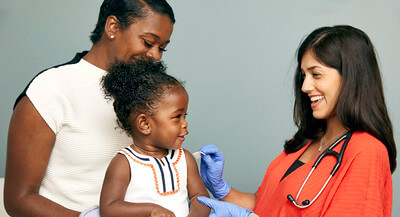 Like we mentioned before, vaccines can protect communities even if some individuals don’t receive them. Vaccination and herd immunity have protected vulnerable kids and adults from deadly diseases for centuries, and we’re enjoying the benefits of that. Here are some of the incredible things vaccines have helped accomplish:
- In 1980, smallpox was officially declared eradicated by the WHO.
- Polio cases have decreased by over 99% since 1988.
- Worldwide, measles deaths have decreased 78% in the last ten years.
- According to an article in the Journal of Paediatrics and Child Health, COVID-19 vaccines prevented an estimated 14.4 million deaths.
Want to Learn More?
If your curiosity has been piqued and you want to learn more about infectious diseases, the development of vaccines, or how these things have shaped society, here’s some recommended reading!
Caregivers, you know your child best. That’s why you’re in the best position to talk to your kids about big, intimidating topics! If your little ones are nervous about vaccines, these books are a great way to approach what might feel like a scary conversation in a sensitive and supportive way.