$15 Day At Orlando Science Center

Join Orlando Science Center for a Day of Learning and Family Fun for Only $15! 

Sunday, April 19th - All Admissions Are Only $15

Conservation Month Sparks Curiosity! 

April is conservation month and Orlando Science Center is running a variety of fun programs that teach the importance of conservation and the positive impact it has on Earth! Conservation Month brings together hands-on activities, wildlife encounters, nature talks, and creative eco-crafts for all ages. Families learn how they can make a difference through conservation while enjoying games, storytelling, and live demonstrations. Orlando Science Center invites everyone of all ages to connect with nature, bond with loved ones and leave inspired to care for planet Earth, together! 

Whether you’re an astronaut, fossil hunter or just want to spark your curiosity for the world of STEM, $15 Day is your chance to see what’s new at Orlando Science Center! Guests are invited to take a break from the Florida heat and cool off with four floors of science fun! Limited tickets are available for this discounted day, so get your tickets online today!

Ignite your imagination by exploring exhibits, movies and live programming all around the building. With live shows and interactive exhibits, Orlando Science Center offers hours of air-conditioned experiences to encourage people of all ages to engage with STEM and learn something new! Don’t miss out on a whole day of fun and educational experiences, including:

Mission: Astronaut

Get ready to launch into an interstellar adventure because a brand-new exhibit has landed at Orlando Science Center! In Mission: Astronaut, presented by Florida Tech, visitors of all ages will experience what it takes to live, work, and explore beyond Earth. Through hands-on challenges and real NASA footage, you’ll train like an astronaut, experiment like a scientist, and imagine the future of space exploration. 

KidsTown Is Calling for Explorers!

This special day allows your little learners to explore the world! At 10:30 and 11:30 a.m., join OSC for Polar Pals Storytime, an exploration to Earth’s most remote locations: the northern and southern poles. Then, at 2:00 and 3:30 p.m., celebrate Deaf History Month with Designing for Differences Mini Maker, an experience that invites visitors to learn about the inventions that expand the world for others and try their hand at creating an invention of their very own.

Get Close With Nature! 

Experience Nature Lab from 11:00 a.m. - 1:00 p.m., a scavenger hunt walking tour in the virtual University of Central Florida Arboretum to learn more about local flora. Then, continue exploring nature in Dr. Dare’s Lab from 11:00 a.m. - 5:00 p.m. for Self-guided Nature ExperimentsIn this interactive experience, guests investigate nature up-close with wildlife and nature-themed experiments 

Witness the Stories of Life in Rainforests, Oceans, Swamps, and More!

Meet fantastical creatures of all kinds and learn more about how conservation impacts Earth’s ecosystems and species! Come say hello to sleepy sloths and twittering songbirds, scurry below squirrels, snap a photo with our snapping turtle, and so much more. From the depths of the ocean floor to the top of the rainforest canopy, you won't want to miss out on what's happening in Life, presented by Dr. Sarah Layton!  

All Tickets Are Only $15!

$15 Day presents a day of fun and learning for the whole family. In addition to Conservation Month themed programming, KidsTown offers multiple areas for infants to age 7 while The Hive: A Makerspace lets you turn your creative ideas into a reality. Don’t miss Kinetic Zone, which illustrates how engineering keeps the world moving.  

If you need a break from the exhibit floor, take a seat in and be amazed in the high definition Digital Adventure Theater, which offers incredible films on subjects ranging from animals to outer space to exotic lands. When it’s time to refuel, grab a delicious snack at the 4Roots Café or caffeinate yourself at the Coffee Spot. 

General admission is regularly $31 for adults and $24 for youth (ages 2-11) but on April 19, all patrons can visit Orlando Science Center for just $15. Limited tickets are available for this discounted day, so don’t miss out and get your tickets online today!
Orlando Science Center Named Best Venue by KultureCity

Orlando Science Center has been named best venue in the education and library category by the KultureCity Human Highlight Awards! This national honor recognizes OSC’s efforts to provide accessible educational STEM experiences for everyone. 

The KultureCity Human Highlight Awards honors venues, businesses and other locations that have made significant contributions in the disability space and promote accessibility and inclusion. Created last year in collaboration with KultureCity and presented by AdventHealth for Children, OSC opened a permanent Sensory Room that makes the museum more accessible to individuals with sensory needs. It acts as a safe and calming environment if the exhibit halls ever become overwhelming and features carpeted floors and walls, a dimmer switch for lighting and a variety of sensory tools for visitors. From its efforts to become more inclusive and welcoming, Orlando Science Center also earned the KultureCity Sensory Inclusive Certification. 

Named in honor of KultureCity’s first board chairman, NBA Legend Dominique Wilkins, the Human Highlight Awards have become the preeminent awards of recognition for those that have done amazing things in the disability space and beyond. They are a symbol for those who embody the spirit of inclusivity and compassion, highlighting the impact of prioritizing humanity and embracing diversity.   

“Orlando Science Center is truly humbled by this honor. Our mission is to inspire science learning for all, which means that we need to meet people where they are and provide them with a welcoming experience that ignites curiosity and inspires creativity. We are so thankful for AdventHealth for Children’s generous support in making this space possible, and for KultureCity’s meaningful recognition,” said JoAnn Newman, President and CEO of Orlando Science Center. 

Orlando Science Center Launches Rural Education Outreach Program

Orlando Science Center is dedicated to serving as a resource for students and teachers throughout our region. It acts as a hub for STEM education to share its mission to inspire science learning for all. OSC’s Education team recently launched an outreach program that brings hands-on STEM learning to teachers and schools in rural areas. The OSC team facilitated professional development for 23 teachers from Highlands, Glades, Hendry, Okeechobee, DeSoto and Hardee Counties. During the educator professional development workshop, elementary teachers were trained on key science principles and standards with a special emphasis on science and math concepts that are challenging for students. OSC equips teachers with the tools and strategies necessary to implement effective hands-on lessons that fuel STEM education.  At the end of the workshop, educators received a materials kit with supplies that would allow them to implement the activities in their own classrooms. Many teachers shared their thoughts on the workshop. One of them said, “Training was great. Loved all the hands-on activities and that they sent us home with all the materials to replicate them in our classrooms.” This program aims to increase access to high-quality STEM programs for rural areas and improve state test scores through both direct student contact and teacher support. The program focuses on technology-driven, inquiry-based learning experiences that highlight how STEM fields are solving real-world challenges. To date, this program has reached 766 students, all from Hardee County. There are currently programs scheduled for Okeechobee, Hardee, DeSoto, Highlands, Lake and Osceola counties later this Spring. Through initiatives like OSC’s rural education outreach program, students are engaged and inspired while teachers receive valuable training and resources.

NASA Awards Orlando Science Center With Grant to Expand STEM Learning

Orlando Science Center has been selected as one of just 19 organizations nationwide to serve as a STEM innovator through NASA’s TEAM II Informal Education Learning Cohort. This award recognizes OSC for expanding high-quality science, technology, engineering, and math (STEM) learning opportunities across the country. OSC will deliver NASA-themed hands-on STEM learning through its Ignite Discovery program that’s designed for preschool students ages 3-5.  

The Science Center will utilize its partnership with the Florida Head Start Association to expand access to early childhood STEM experiences beyond traditional classrooms. NASA’s support will also enable the Science Center to provide space-themed family engagement events and professional development for Head Start educators throughout this region. The effort will broaden the Science Center’s impact throughout Central Florida.  Activities like these encourage a lifelong relationship with learning.   

Engaging, hands-on learning helps youth develop a personal identity within STEM, which is a vital component to inspiring continuing education and pursuit of STEM careers. Research shows that early exposure to STEM plays a critical role in shaping lifelong learning. Expanding young children's STEM experiences enhances their readiness for school, boosts academic success, and ultimately helps grow the future STEM workforce.   

“We are grateful to NASA for selecting us as a STEM Innovator. Their support allows us to reach even more young learners, families and educators with high-quality STEM experiences at a pivotal stage in child development,” said JoAnn Newman, President and CEO of Orlando Science Center. 

By introducing NASA-inspired exploration at this level, the Science Center aims to spark wonder, encourage problem-solving and help children see themselves as future scientists, engineers and explorers.  

Advocating for STEM Education in Florida

STEM Day at the Capitol is Thursday, February 26, 2026: 10:00 am - 2:00 pm

Orlando Science Center is proud to join other museums, science centers, educators and foundations to connect with Florida legislators during STEM Day at the Florida Capitol on Thursday, February 26. STEM Day is a dynamic event where these institutions demonstrate the critical role they play in inspiring the STEM workforce of tomorrow and advocate for funding to support STEM education.

From 10:00 am to 12:00 pm, legislators will learn how STEM education continues to grow Florida’s future workforce by engaging with hands-on activities, experiments, displays, and even robots! STEM Day emphasizes how science museums are a hub for STEM learning and have the opportunity to facilitate connections between industry, education and the public. Collaborations between science museums, corporations and education are key to developing a comprehensive approach in promoting STEM learning from cradle to career. 

As our world continues to grow more complex and competitive, we are reminded that science matters now more than ever. Science literacy has the power to help individuals better understand life’s problems and develop the skills necessary to address them. It’s through study and experimentation that knowledge, innovation and prosperity are accomplished.

Industry must partner with educational institutions and informal learning centers like science museums to start preparing our youth for jobs that don’t even exist yet. Regardless of the field they enter, tomorrow’s workforce must have a strong grasp of 21st century skills like problem solving, critical thinking and collaboration. These skills are reinforced through active, challenge-based activities offered at museums and science centers.  

STEM Day at the Capitol illustrates how collaborations with industry and academia can help fill the STEM pipeline, and Orlando Science Center is excited to take part in the event. Such partnerships provide opportunities to engage youth by bringing STEM subjects to life. By presenting the real-world applications of STEM skills in compelling ways, students are inspired to pursue further education and careers in STEM fields.


During STEM Day, 
Orlando Science Center will share its passion for all things STEM with legislators, shining the light on the impact its efforts can have on economic development across the state. Displays at STEM Day encourage hands-on learning and reinforce how science museums light the spark of curiosity, promote future STEM careers and build essential 21
st century skills while also illustrating how increased funding could expand these efforts.  

Participants will experience a variety of engaging activities with the Orlando Science Center including: 

    • Space demons involving spectroscopy, an astronaut glove challenge and solar glasses.
    • State appropriation activities like microscopes to view acrylic insects, live superworms and natural objects like pinecones.
    • Learning thrugh play activities involving LEGO bricks, LEGO base plates and other building materials.
    • And much more!

How Vaccines Work

A Shot at Life

Vaccines are one of science’s most powerful tools for protecting human health. They work by training our immune system to recognize and respond to harmful germs like viruses and bacteria. Instead of fighting a disease after it strikes, vaccines give our bodies a “practice run,” so we can respond quickly and effectively if we’re exposed in the future.  

Accurate vaccine information is critical and can help stop common myths and rumors. In our effort to combat misinformation through our Science Matters program, we hope this page will help you learn about the science and history of vaccines, how immunity develops, and what happens when vaccination rates rise or fall. We also provide trusted resources that can help you make informed decisions for you and your family.  


Questions to Consider

By the end of this page, you should be able to answer the following questions: 

What is a vaccine and how does it work?
How do vaccines affect my life?
What can I do to help keep my community healthy?


Getting Oriented

Let’s look at a few definitions first, because while terms like vaccination, inoculation, and immunization are often used interchangeably, there are a few differences. Here are some definitions according to Merriam-Webster:

  • Vaccine (noun): a preparation that is administered (by injection) to stimulate the body’s immune response against a specific infectious agent or disease.
  • Inoculate (verb): to introduce immunologically active material (such as an antibody or antigen) into a being, especially in order to treat or prevent a disease.
  • Immunization (noun): the act of making someone or something immune or the state of being immune; the act or result of immunizing someone or something.

In other words, a vaccine is a biological substance, inoculation is the process of introducing this substance, and immunization is the result of the process.

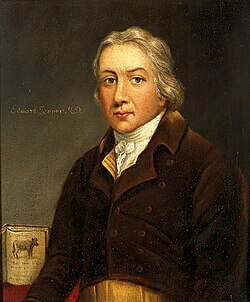
A Brief History of VaccinesDr. Edward Jenner. Oil Painting.


The idea of vaccines began centuries ago (possibly as early as 200 BCE, but definitely by the 1400s) with a practice called “variolation,” which involved exposing healthy people to smallpox. This was risky but often prevented serious disease; according to the Center for Disease Control (CDC), the death rate among variolated individuals was far lower than among those who contracted smallpox naturally. 

The first vaccine as we know it was created in 1796 by Dr. Edward Jenner, who discovered that people infected with the bovine disease cowpox were immunized against smallpox. This vaccine eventually led to the complete global eradication of smallpox by 1980.  This is where we get the word “vaccine,” which comes from the Latin word for cow: “vacca.”  

Throughout the 19th and 20th centuries, scientists used similar processes to develop vaccines for diseases such as rabies, polio, measles, and influenza – the last of which you probably know as your annual flu shot! Each of these vaccines helped reduce illness, disability and death worldwide.  

Today, vaccines continue to evolve. Modern research uses advanced methods like genetic sequencing and mRNA technology to create new vaccines faster and with greater precision. mRNA vaccine technology was in development as early as the 1970s, which is why scientists were able to develop COVID-19 vaccines so quickly fifty years later.  

For a more in-depth history of vaccination, check out these resources from the World Health Organization (WHO). You can also find a more complete list of vaccine preventable diseases from Shot at Life, an organization dedicated to ensuring everyone in the world has access to lifesaving vaccines.  

How Do Vaccines Work?

In the simplest of terms, vaccines work by introducing a new pathogen into the body to help it become familiar with how to fight future infectionsBy introducing an inactivated germ or weakened pathogen, vaccines stimulate the immune system without causing disease. This controlled exposure trains immune cells to recognize and respond rapidly to future infections, creating lasting protection. Here are some videos to help break it down for you! 

This video from TED-Ed explains how vaccines trigger an immune response and teach our bodies to recognize dangerous pathogens.


From YourekaScience, this video is a great introduction to vaccines, how they work, and their role in public health.


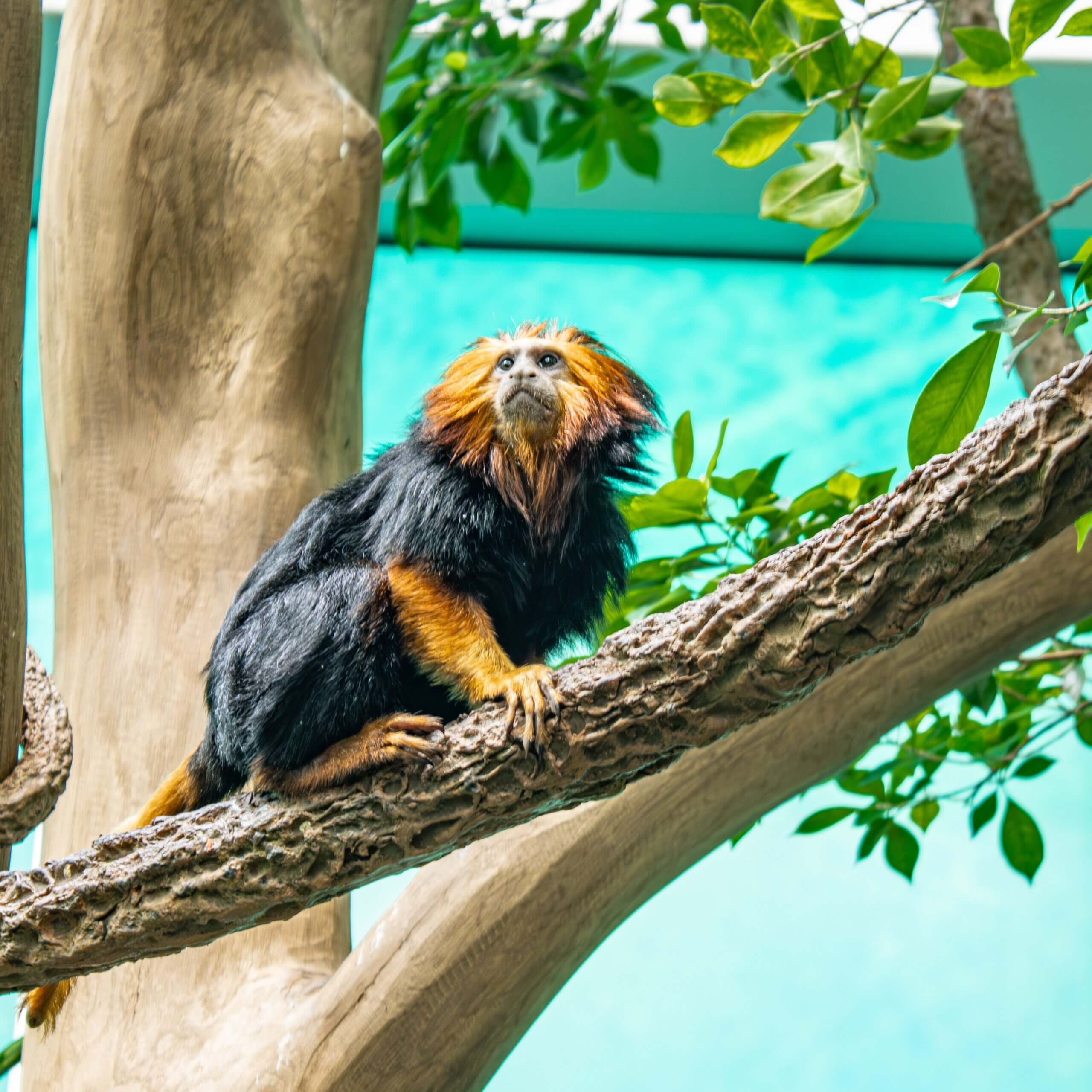
A tamarin monkey on a vine in an exhibitBy the way, vaccines aren’t just for people; they protect animals, too! If you have a pet at home, odds are that they received their core vaccines when they were young. This helps protect them from viruses that impact their species. For example, veterinarians administer the rabies vaccine to both cats and dogs to help protect them in case they encounter a wild animal that hasn’t been treated.  

At Orlando Science Center, we have a vet come to visit the animals in the Life exhibit on a regular basis, in part to make sure our animals are up to date with their recommended vaccinations. Our animal care team also makes sure to stay current on vaccinations for any illnesses that can be transmitted from humans to animals or vice versa, keeping everyone involved safe! 

What Happens When Communities Don’t Vaccinate?

Getting vaccinated is a personal choice and there are many reasons individuals may not participate in vaccination. Some people may be allergic to an ingredient in the vaccine, such as egg or gelatin, which are often used as binders. Others may not have access to vaccination, or they may be immunocompromised, meaning their body wouldn’t be able to fight off even a weakened virus or bacteria.  

It's important to understand the relationship between how many people are vaccinated in your community and how that affects the spread of an infection. For example, let’s look at measles. 

For an unvaccinated population, one person infected with measles can infect up to 18 others on average. But if, say, 15 of those people have been vaccinated, the disease has much less opportunity to spread. This is a concept called herd immunity, which provides protection for all members of a community by meeting a vaccination threshold. For measles, 92-94% of a population must be immunized for herd immunity to protect the whole group.  

If a population falls below that threshold, the community faces higher chances of a measles outbreak. This has happened multiple times in the United States over the past 50 years, with major outbreaks in 1989, 2014, 2019 and 2025. As of December 2025, three people have died from the measles in the United States. This video from SciShow was released during the 2014 outbreak and does a great job of explaining the science behind outbreaks of measles.  

In recent years, the United States has seen an increase in voluntary abstention from vaccination. People are choosing not to vaccinate themselves due to religious beliefs, concerns over side effects, or simply a lack of understanding of vaccine science.  

What You Can Do

If you’re not sure about where to get reliable information, use the scientific method! Ask questions, do some research on your own, find experts, and come to your own conclusions. We recommend the WHO as a great place to start; they’ve been compiling expert research and development for years and meet the highest standards of scientific inquiry.  

Don’t forget that proof is a process; science isn’t static; it’s constantly evolving as we learn. Science and the scientific method are about testing and re-testing hypotheses, trying new things, and expanding our knowledge base to inspire new questions. It’s a complex and valuable process!  

For example, we used to believe that the T. rex stood upright and weighed around five to seven tons. But with new discoveries, we’ve learned it’s more likely that T. rex stood with their head lowered and tail extended, and new technology suggests they were much heavier.  

Vaccine science is like that too – constantly evolving with new discoveries and research. Always stay curious and keep up with the latest recommendations of your doctors, because they’re keeping up with the latest scientific studies.  

The Good News

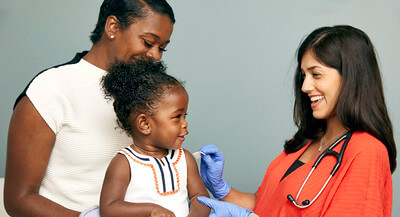
A mother and her toddler daughter prep for a vaccine with a nurseLike we mentioned before, vaccines can protect communities even if some individuals don’t receive them. Vaccination and herd immunity have protected vulnerable kids and adults from deadly diseases for centuries, and we’re enjoying the benefits of that. Here are some of the incredible things vaccines have helped accomplish: 

  • In 1980, smallpox was officially declared eradicated by the WHO.  
  • Polio cases have decreased by over 99% since 1988. 
  • Worldwide, measles deaths have decreased 78% in the last ten years.  
  • According to an article in the Journal of Paediatrics and Child Health, COVID-19 vaccines prevented an estimated 14.4 million deaths.  

Want to Learn More?

If your curiosity has been piqued and you want to learn more about infectious diseases, the development of vaccines, or how these things have shaped society, here’s some recommended reading!  

Caregiversyou know your child best. That’s why you’re in the best position to talk to your kids about big, intimidating topics! If your little ones are nervous about vaccines, these books are a great way to approach what might feel like a scary conversation in a sensitive and supportive way. 

Everything is Tuberculosis: The History and Persistence of Our Deadliest Infection by John Green 

Tuberculosis has been entwined with humanity for millennia. Once romanticized as a malady of poets, today tuberculosis is seen as a disease of poverty that walks the trails of injustice and inequity we blazed for it.

In 2019, author John Green met Henry Reider, a young tuberculosis patient at Lakka Government Hospital in Sierra Leone. John became fast friends with Henry, a boy with spindly legs and a big, goofy smile. In the years since that first visit to Lakka, Green has become a vocal advocate for increased access to treatment and wider awareness of the healthcare inequities that allow this curable, preventable infectious disease to also be the deadliest, killing over a million people every year.

In Everything Is Tuberculosis, John tells Henry’s story, woven through with the scientific and social histories of how tuberculosis has shaped our world—and how our choices will shape the future of tuberculosis.

Vaccinated: One Man's Quest to Defeat the World's Deadliest Diseases by Paul A. Offitt, M.D.

Maurice Hilleman is the father of modern vaccines. Chief among his accomplishments are nine vaccines that practically every child gets, rendering formerly deadly diseases — including mumps, rubella, and measles — nearly forgotten.

Author Paul A. Offit's rich and lively narrative details Hilleman's research and experiences as the basis for a larger exploration of the development of vaccines, covering two hundred years of medical history and traveling across the globe in the process.

The history of vaccines necessarily brings with it a cautionary message, as they have come under assault from those insisting they do more harm than good. Paul Offit clearly and compellingly rebuts these arguments, and, by demonstrating how much the work of Hilleman and others has gained for humanity, shows us how much we have to lose.

The Ghost Map: The Story of London's Most Terrifying Epidemic - and How It Changed Science, Cities, and the Modern World by Steven Johnson

From Steven Johnson, the dynamic thinker routinely compared to James Gleick, Dava Sobel, and Malcolm Gladwell, The Ghost Map is a riveting page-turner about a real-life historical hero, Dr. John Snow.

It's the summer of 1854, and London is just emerging as one of the first modern cities in the world. But lacking the infrastructure—garbage removal, clean water, sewers—necessary to support its rapidly expanding population, the city has become the perfect breeding ground for a terrifying disease no one knows how to cure.

As the cholera outbreak takes hold, a physician and a local curate are spurred to action—and ultimately solve the most pressing medical riddle of their time. In a triumph of multidisciplinary thinking, Johnson illuminates the intertwined histories and inter-connectedness of the spread of disease, contagion theory, the rise of cities, and the nature of scientific inquiry, offering both a riveting history and a powerful explanation of how it has shaped the world we live in.

SCOPE Magazine for Science Center Members

Check out the latest issue of SCOPE Magazine!

With so much going on at Orlando Science Center, it's hard to keep track of everything included in your OSC Membership! That's why our team is dedicated to getting our Members the latest exhibit news and goings on at the Science Center.

Science Center Members receive SCOPE Magazine three times per year in the Spring, Summer, and Fall to give them the full scope of what's in store that season. Members also get a granular, up-close view of the month ahead through our monthly Member e-newsletter, MicroSCOPE, get it?

For more frequent updates, join our OSC Member Community on Facebook!


Spring 2026 Issue

Flip through the current e-magazine or download it below.

Math Gets Radical at Orlando Science Center with Skate Bud


Build your own skate park, experiment with fingerboards and explore 2theXtreme!

Galactic G and Skate Bud Host Skateboard Demos, Hands-On Activities to Promote How Math Fuels Extreme Sports.

Saturday, December 6

Get on board with the gnarly science of skateboarding at Orlando Science Center! On December 6, Skate Bud and semi-pro skaters from Galactic G skate shop will be here to roll mathematics and skateboarding into one package with hands-on activities, live demonstrations, and so much more! Learn how skaters use math on the fly to pull off incredible feats of physics, then head over to our brand-new exhibit 2theXtreme! to put your new math-boarding skills to the test and see if you can design a skateboard that shreds like no other! Join Skate Bud, Inc., a nonprofit focused on skateboard accessibility, as they teach you the ropes, making it easy for anyone to get on the grind.


Learn, Create, Skate! – Level 1 Clubhouse | 11:30 am to 3:30 pm

Before you hop on a real board, learn the fundamentals at micro-scale! Fingerboard stations will give you the chance to find your flow and learn the physics of your board without fear. Try it at home with your very own fingerboards available for purchase at the Science Store! Next, get your board decked out in style with a custom cardboard skate park that you design! Use your creativity to cut, carve, and create your own!


Skateboards 101: Stand on the Deck! – Level 1 Clubhouse | 11:30 am to 3:30 pm

Skate Bud, Inc’s board basics program makes it totally safe for anyone to get familiar with the tricky art of standing on a skateboard. With modified training boards, and guidance from experienced instructors, they’ve got skateboarding safety down to a science.


Skateboard Demonstrations by Galactic G – Level 1 Entrance A | 11:30 am to 3:30 pm

Watch semi pro skaters from Galactic G Skate Shop, the oldest skate shop in Florida (est. 1995), demonstrate a stunning repertoire of physical problem-solving techniques with live tricks on a course made from typical skateboard placemaking structures.


2theXtreme! All Day – Level 2

Whether you’re shredding the half-pipe, or committing to the Ollie, having math up your sleeve can be the difference between wiping out and sticking the landing. In this interactive exhibit, guests will go head-to-head in sports, set the stage for creativity, design the unthinkable, and explore worlds far beyond your own backyard, all while using the power of mathematics!


2theXtreme! is here through January 5, but Skate Bud and Galactic G are here for one day only! Plan your visit and get tickets for Saturday here! It’s all included with general admission. https://www.osc.org/visit/

Dinos In Lights – Through January 6

Add Some Dino-Mite Sparkle to the Holiday Season!

Presented by Orlando Health Physician Associates

Dinos In Lights - Now Showing Every Day through January 6, 2026

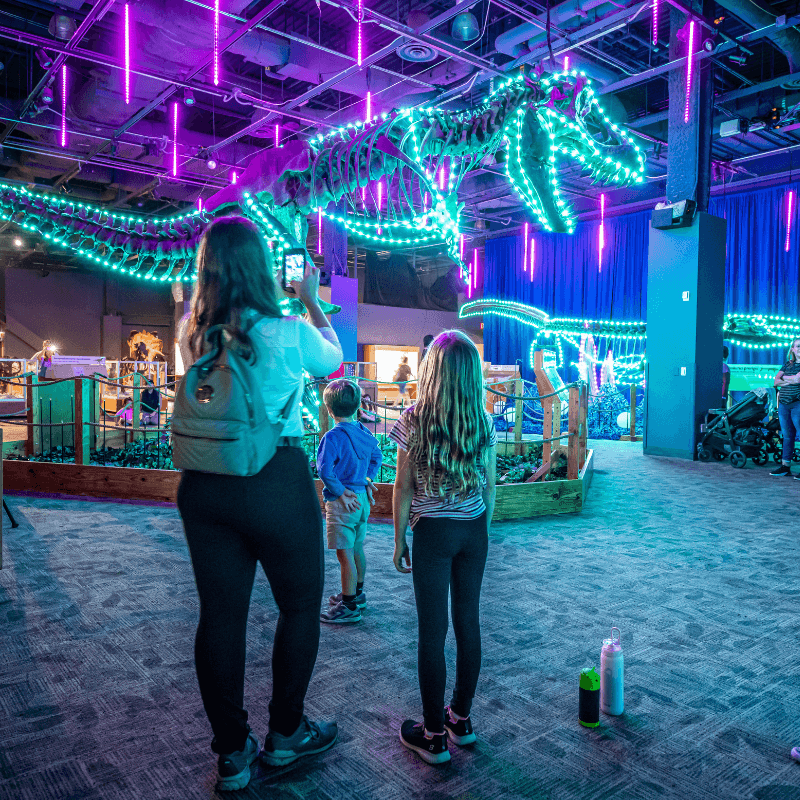
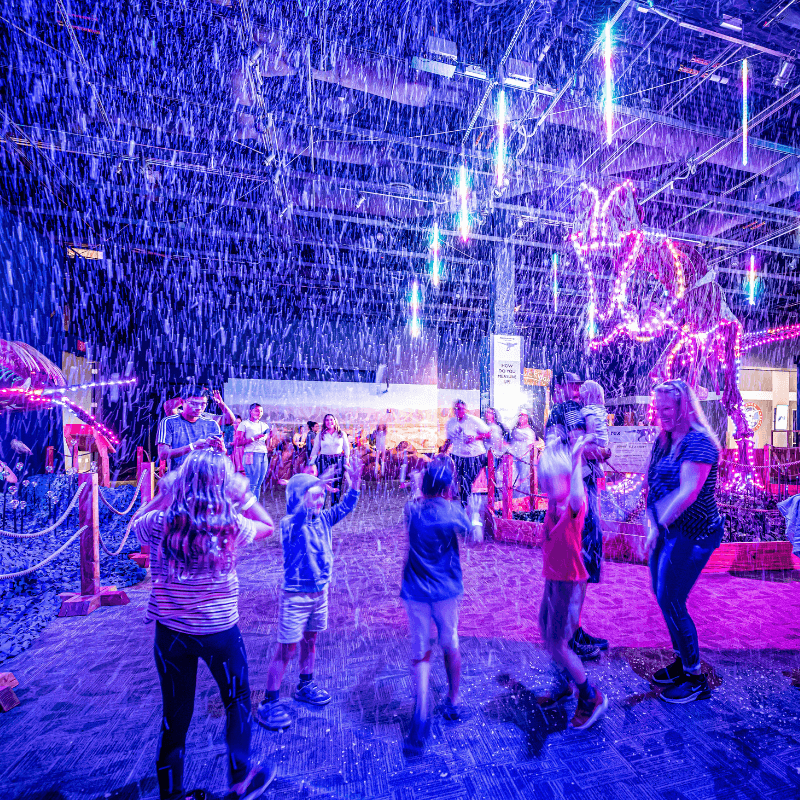
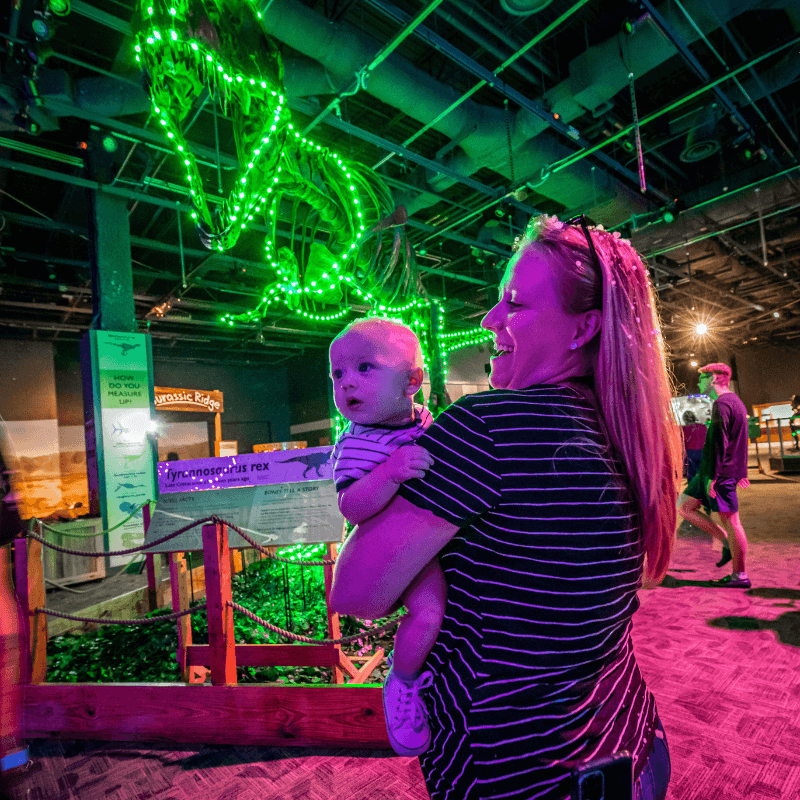
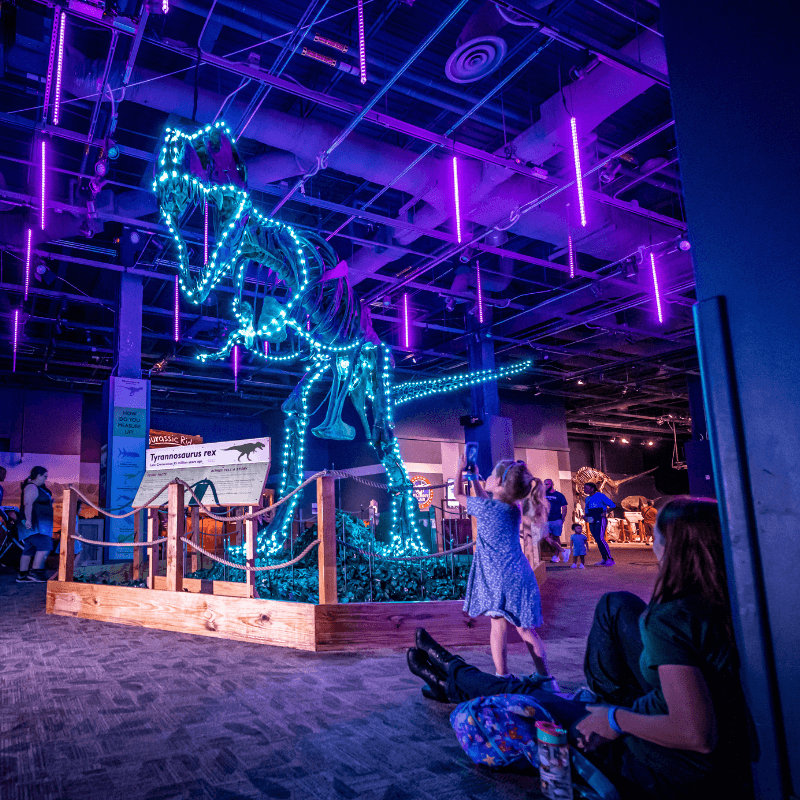
Get ready for a holiday light show 65 million years in the making! Orlando Science Center celebrates the holiday season with its annual Dinos in Lights show. Join Stan the T. rex and his fossil friends in DinoDigs as they show off their twinkling talent in a festive display of music and light. This dino-mite dazzler will have your whole family ROARING with cheer as you welcome the holiday season! Included with general admission throughout the holidays, you don’t want to miss this unforgettable display. Be sure to see it multiple times as the experience is different from every angle with three different shows being offered.

Dinos in Lights begins every day at 11:00 am and brief shows run every 30 minutes until 3:30 pm. Come for Dinos in Lights and stay to experience four floors of wonder and discovery with exhibits, giant screen films, science shows and special activities. Don’t miss Life, our massive exhibit on nature and conservation featuring animals and immersive habitats or explore mind-bending math in motion with 2theXtreme!

You can also enjoy hands-on exhibits about space, food, engineering and physics, and make something special in The Hive: A Makerspace. Little learners can enjoy a space just for them in KidsTown, with interactive areas where they can play to learn. There are also special dino-themed activities planned throughout the holiday season. Make no bones about it, Orlando Science Center has holiday fun down to a science!

A mother and daughter looks at a T. Rex skeleton lit up with Christmas lights.
Families play in a simulated snow shower during the Dinos In Lights show.
A mother and baby stand in wonder in front of a T. rex skeleton lined with Christmas lights.
A young girl takes a photo of a T. rex skeleton lit up with Christmas lights.

The Chemistry of Pumpkins: How to Have a Green Halloween

The Chemistry of Pumpkins: How to Have a Green Halloween

This October is Chemistry Month at Orlando Science Center, and with Halloween just around the corner, it's just about time to start prepping a pumpkin! But what happens once the trick-or-treaters are gone and your pumpkin starts to sag? By looking at the chemistry of decomposition and finding creative ways to reuse or recycle, you can make your Halloween scary, scrumptious, and sustainable all at the same time!

The Chemistry of Pumpkin Decomposition

Once carved, pumpkins quickly begin to break down thanks to microorganisms like bacteria and fungi. These microbes release enzymes that break large molecules in the pumpkin’s flesh, releasing carbon dioxide, water, and nutrients in the process. Oxygen in the air speeds up this process, allowing microbes to thrive. We call this oxygen-rich decomposition aerobic digestion.

Decomposition is essentially nature’s recycling system, but when pumpkins end up in landfills, the decomposition process shifts, cutting off oxygen as trash piles up and gets compacted. Without oxygen, microbes switch to anaerobic digestion, and begin producing methane, a greenhouse gas far more potent than CO₂. In other contexts, anaerobic digestion can be harnessed to intentionally produce these biogases such that they can be used to generate heat, power, and more, but at a landfill, they are released into the air, contributing to an overabundance of greenhouse gases in our atmosphere. That’s why disposing of pumpkins (as well as the rest of your organic waste) the right way is key to reducing their environmental impact. This Halloween, celebrate sustainably with the tips below, because going green is the best treat of all.

Eco-Friendly Disposal: Don’t Trash Your Pumpkin!

When you’re done, don’t toss your pumpkin in the garbage. Instead, try one of these eco-friendly disposal methods:

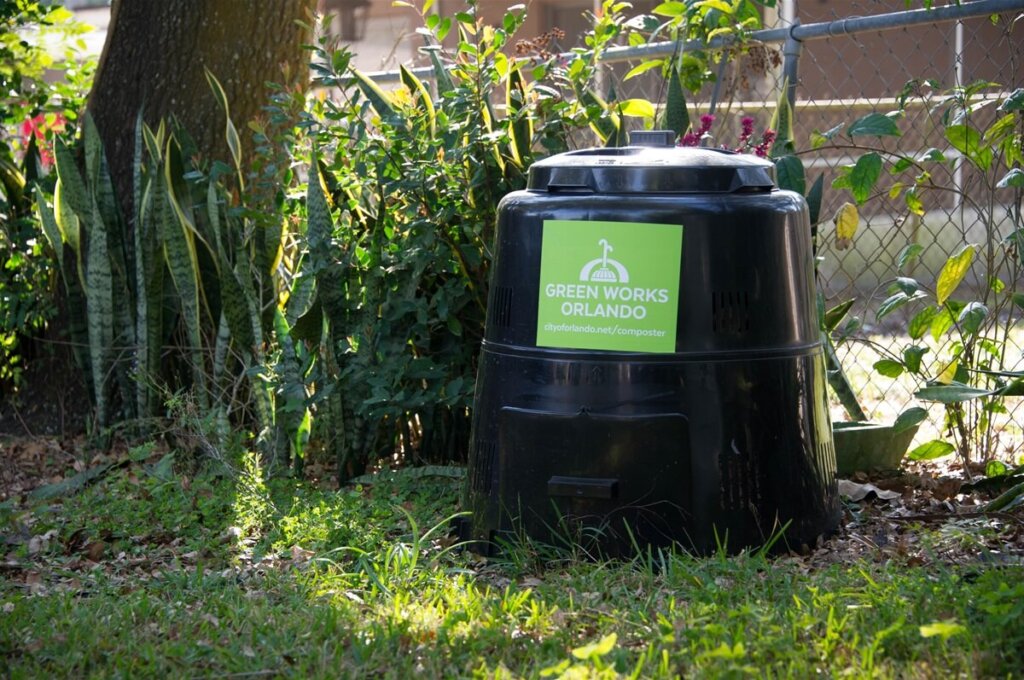
  • Composting: The best option. Your pumpkin will break down naturally, turning into fertilizer you can use to return nutrients to the soil in your yard, garden, or other plants. Be sure to remove candles or decorations, and cut into smaller chunks before composting your pumpkin. Request a free composter from the City of Orlando.

  • Wildlife Treats: Place small pumpkin chunks in your yard for squirrels, birds, or deer to enjoy. Skip this if you live in an area where it may attract unwanted animals like bears.

  • Community Drop-Offs Or Collection Services: Some cities offer seasonal composting or farm collection programs. Try O-Town Compost for automated collection services, or donate your pumpkins to a local farm with Pumpkins for Pigs.

How to Use Every Part of Your Pumpkin

Before your pumpkin reaches the compost bin, consider how you can make the most of it! Typically, pumpkins used for baking are smaller, sweeter, and have less of the stringy guts than a pumpkin for making jack-o'-lanterns, but they're all still usable! Make sure you plan ahead only use the fresh scraps; a carved jack-o'-lantern that has been sitting out is no longer fit for use in a recipe as it may contain harmful bacteria and fungus.

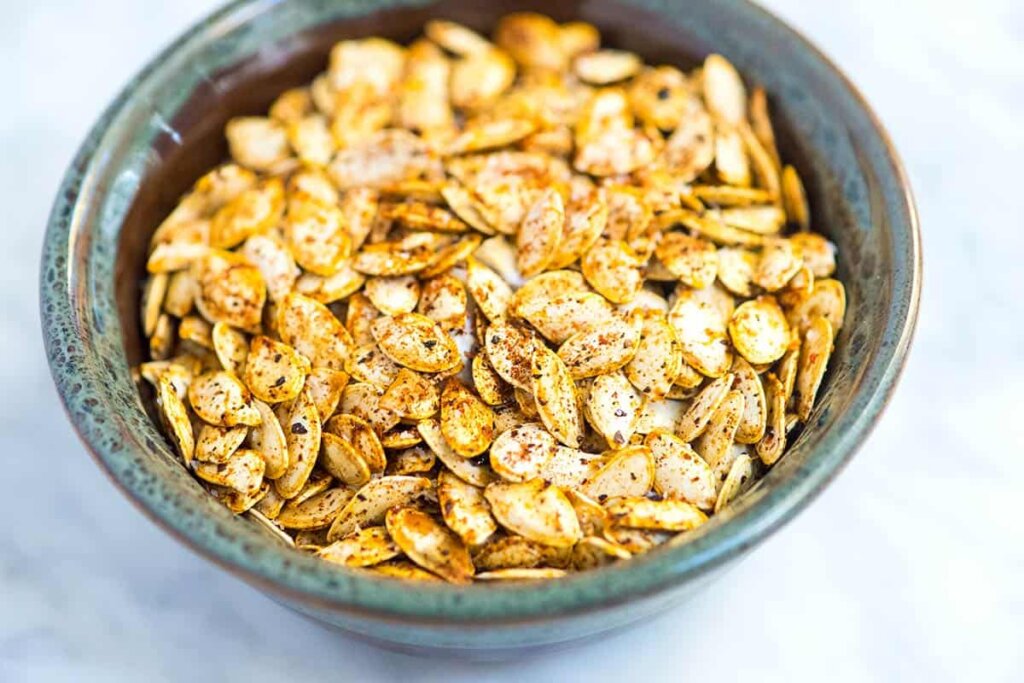
  • Seeds: Roast them with autumn spices for a healthy, crunchy snack!

  • Flesh: Use it in soups, breads, or pies. When you carve your jack-o’-lantern, the pieces you remove can be cooked or frozen for later use. 

  • Stringy Guts: They might seem messy, but the fibrous strands are one of the most versatile parts of the pumpkin. Check out this list of great ways you can use pumpkin guts.


A page header that says

Get More Info Here

Science Matters is a public information campaign that promotes using the scientific method to make informed decisions while increasing confidence in science literacy. Trusted resources for information online and onsite activities help illustrate how the scientific method can help people better understand the impact of science on the major issues of the day.