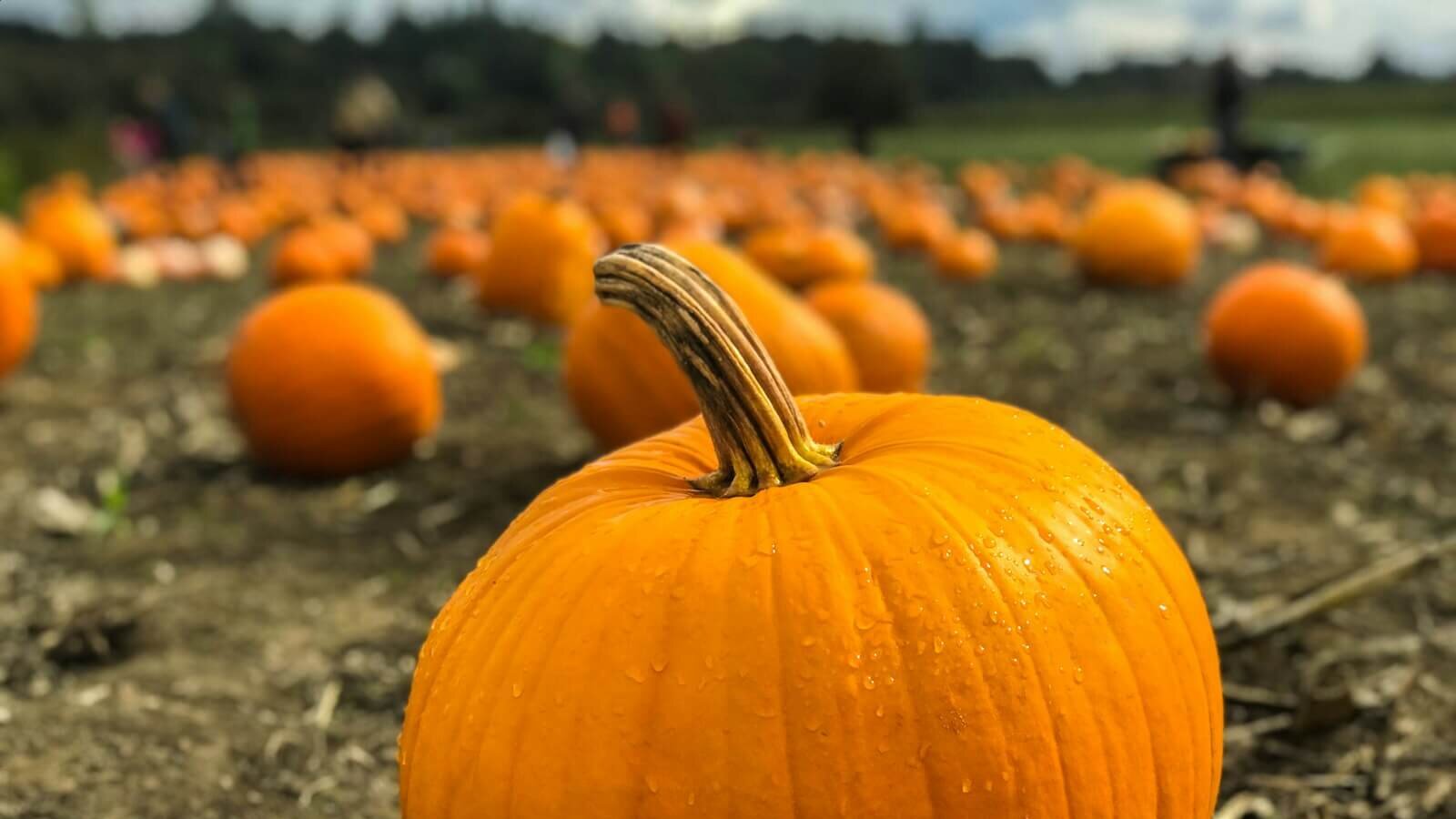
The Chemistry of Pumpkins: How to Have a Green Halloween
This October is Chemistry Month at Orlando Science Center, and with Halloween just around the corner, it's just about time to start prepping a pumpkin! But what happens once the trick-or-treaters are gone and your pumpkin starts to sag? By looking at the chemistry of decomposition and finding creative ways to reuse or recycle, you can make your Halloween scary, scrumptious, and sustainable all at the same time!
The Chemistry of Pumpkin Decomposition
Once carved, pumpkins quickly begin to break down thanks to microorganisms like bacteria and fungi. These microbes release enzymes that break large molecules in the pumpkin’s flesh, releasing carbon dioxide, water, and nutrients in the process. Oxygen in the air speeds up this process, allowing microbes to thrive. We call this oxygen-rich decomposition aerobic digestion.
Decomposition is essentially nature’s recycling system, but when pumpkins end up in landfills, the decomposition process shifts, cutting off oxygen as trash piles up and gets compacted. Without oxygen, microbes switch to anaerobic digestion, and begin producing methane, a greenhouse gas far more potent than CO₂. In other contexts, anaerobic digestion can be harnessed to intentionally produce these biogases such that they can be used to generate heat, power, and more, but at a landfill, they are released into the air, contributing to an overabundance of greenhouse gases in our atmosphere. That’s why disposing of pumpkins (as well as the rest of your organic waste) the right way is key to reducing their environmental impact. This Halloween, celebrate sustainably with the tips below, because going green is the best treat of all.
- https://www.researchgate.net/publication/361400709_Methane_Production_Potential_from_Apple_Pomace_Cabbage_Leaves_Pumpkin_Residue_and_Walnut_Husks
- https://www.epa.gov/gmi/importance-methane#:~:text=Methane%20is%20the%20second%20most,trapping%20heat%20in%20the%20atmosphere.
- https://www.wedontwaste.org/breaking-down-decomposition-how-food-decays-in-the-landfill/
- https://www.energy.gov/eere/articles/reducing-waste-and-harvesting-energy-halloween?
- https://www.nationalgeographic.com/environment/article/pumpkin-pollution-is-a-problem-what-you-can-do?
- https://extension.illinois.edu/news-releases/reduce-greenhouse-gas-emissions-composting-pumpkins-after-halloween?
Eco-Friendly Disposal: Don’t Trash Your Pumpkin!
When you’re done, don’t toss your pumpkin in the garbage. Instead, try one of these eco-friendly disposal methods:
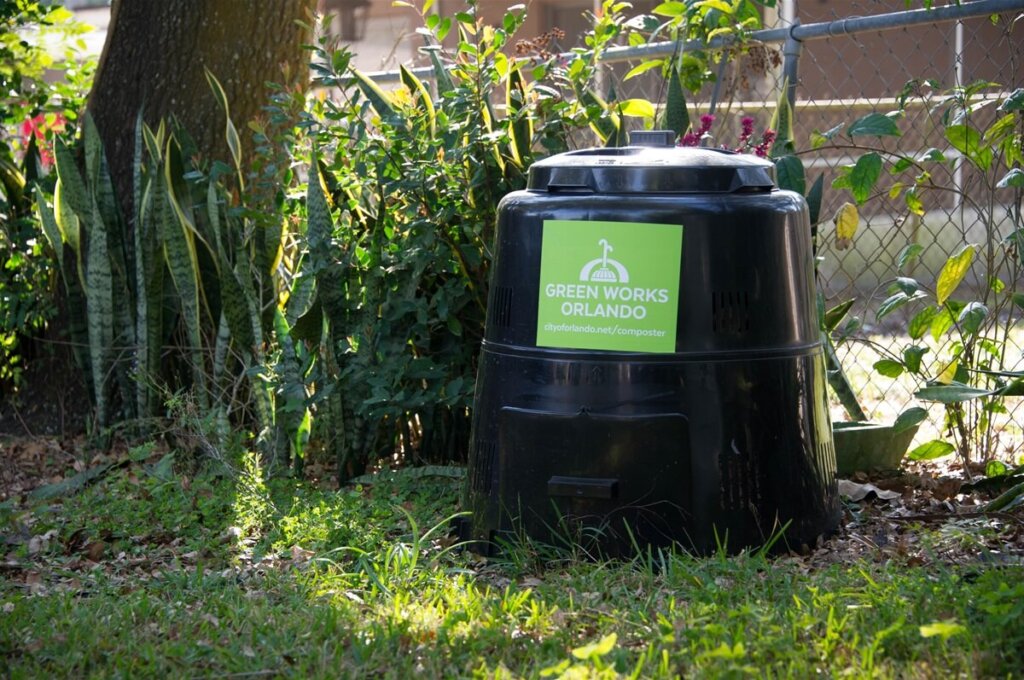
Composting: The best option. Your pumpkin will break down naturally, turning into fertilizer you can use to return nutrients to the soil in your yard, garden, or other plants. Be sure to remove candles or decorations, and cut into smaller chunks before composting your pumpkin. Request a free composter from the City of Orlando.
Wildlife Treats: Place small pumpkin chunks in your yard for squirrels, birds, or deer to enjoy. Skip this if you live in an area where it may attract unwanted animals like bears.
Community Drop-Offs Or Collection Services: Some cities offer seasonal composting or farm collection programs. Try O-Town Compost for automated collection services, or donate your pumpkins to a local farm with Pumpkins for Pigs.
How to Use Every Part of Your Pumpkin
Before your pumpkin reaches the compost bin, consider how you can make the most of it! Typically, pumpkins used for baking are smaller, sweeter, and have less of the stringy guts than a pumpkin for making jack-o'-lanterns, but they're all still usable! Make sure you plan ahead only use the fresh scraps; a carved jack-o'-lantern that has been sitting out is no longer fit for use in a recipe as it may contain harmful bacteria and fungus.
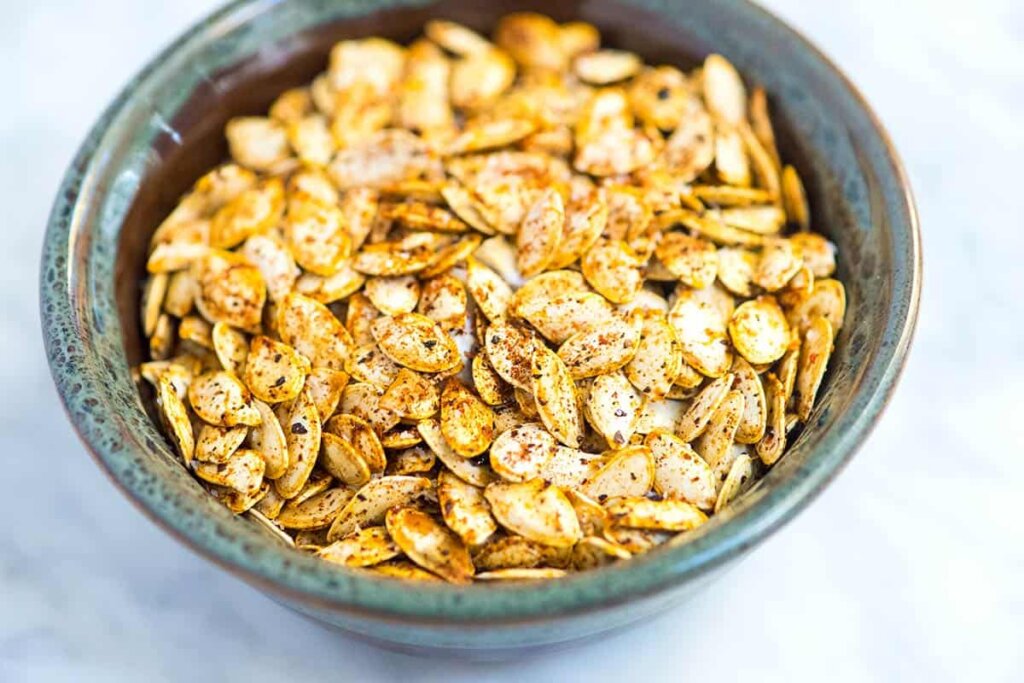
Seeds: Roast them with autumn spices for a healthy, crunchy snack!
Flesh: Use it in soups, breads, or pies. When you carve your jack-o’-lantern, the pieces you remove can be cooked or frozen for later use.
Stringy Guts: They might seem messy, but the fibrous strands are one of the most versatile parts of the pumpkin. Check out this list of great ways you can use pumpkin guts.
Get More Info Here
Science Matters is a public information campaign that promotes using the scientific method to make informed decisions while increasing confidence in science literacy. Trusted resources for information online and onsite activities help illustrate how the scientific method can help people better understand the impact of science on the major issues of the day.