
Preserving the Planet
If you've checked out our webpage on Our Changing World, you understand that it's more important than ever for people to become responsible stewards of the planet.
The good news is that there are plenty of folks doing their part to help along the species and ecosystems that have been negatively impacted over time. These efforts have not only informed the creation of our all-new Life exhibit, but they also inspired a new phase of our Science Matters program: Conservation Counts.
Questions to Consider
By the end of this page, you should be able to answer the following questions:
What is conservation and how does it relate to preservation and sustainability?
How do conservation efforts impact my life as a Central Floridian?
How can people get started on making a difference?
What is Conservation?
Let's start with a few definitions. Here's how National Geographic defines preservation, conservation, and sustainability:
- Preservation (noun) - protection from use. "Preservation protects the environment from harmful human activities."
- Conservation (noun) - management of a natural resource to prevent exploitation, destruction, or neglect. "Conservation is the act of protecting Earth's natural resources for current and future generations."
- Sustainable (adjective) - able to be continued at the same rate for a long period of time. "Sustainability is the practice of using resources responsibly today, so they are available for future generations tomorrow."
The main tenet of preservation is to "touch nothing," while conservation and sustainability say, "touch if you must, but do no harm."
Conservation includes maintaining diversity of species, genes, and ecosystems, but it also applies to functions of the environment such as nutrient cycling. In this way, conservation is more closely linked to natural resources, while sustainability is more closely related to human use of those resources. In practice, the two terms are often used interchangeably, as the concepts are symbiotic. To conserve resources, we must learn to live sustainably.
The Life exhibit focuses more on conservation biology, which applies this concept to the natural world, focusing on protecting Earth's biodiversity and maintaining natural ecosystems. One of the most well-known areas of conservation biology is the identification of endangered species. If you've ever heard of a species being referred to as "endangered" or "vulnerable," you've already been exposed to the field of conservation!
Science at Work
According to the Society for Conservation Biology, there are three main questions that conservation biologists must answer:
- How is the diversity of life distributed around the planet?
- What threats does this diversity face?
- What can people do to reduce or eliminate these threats and, when possible, restore biological diversity and ecosystem health?
The Life exhibit at Orlando Science Center explores all three of these questions, focusing particularly on the second and third. Each gallery in the Life exhibit spotlights a major threat to the featured ecosystem and seeks to educate visitors on ways they can help. Let's take a closer look at each of these conservation causes.
The Rainforest: Deforestation
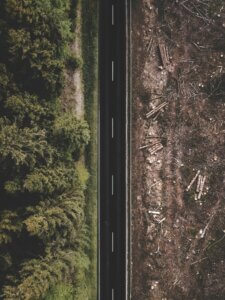 Deforestation is the purposeful clearing of forested areas. This is done for a variety of reasons, including clearing farmland, logging, cattle ranching, and more. Over the last 10,000 years, deforestation has led to the loss of one third of the world's forests. Tropical rainforests face the most serious threat today.
Not only does deforestation lead to a loss of habitat for many species, it also releases massive amounts of carbon dioxide. This greenhouse gas accumulates in the atmosphere and contributes to global warming.
The best way to help prevent further deforestation is to become ethical consumers, making informed choices about the products we choose to buy and use. Shopping locally is one way to help, such as getting fruit and vegetables from the local farmers' market. Buying your clothes and furniture secondhand where possible can also help reduce waste and promote environmentally conscious business practices.
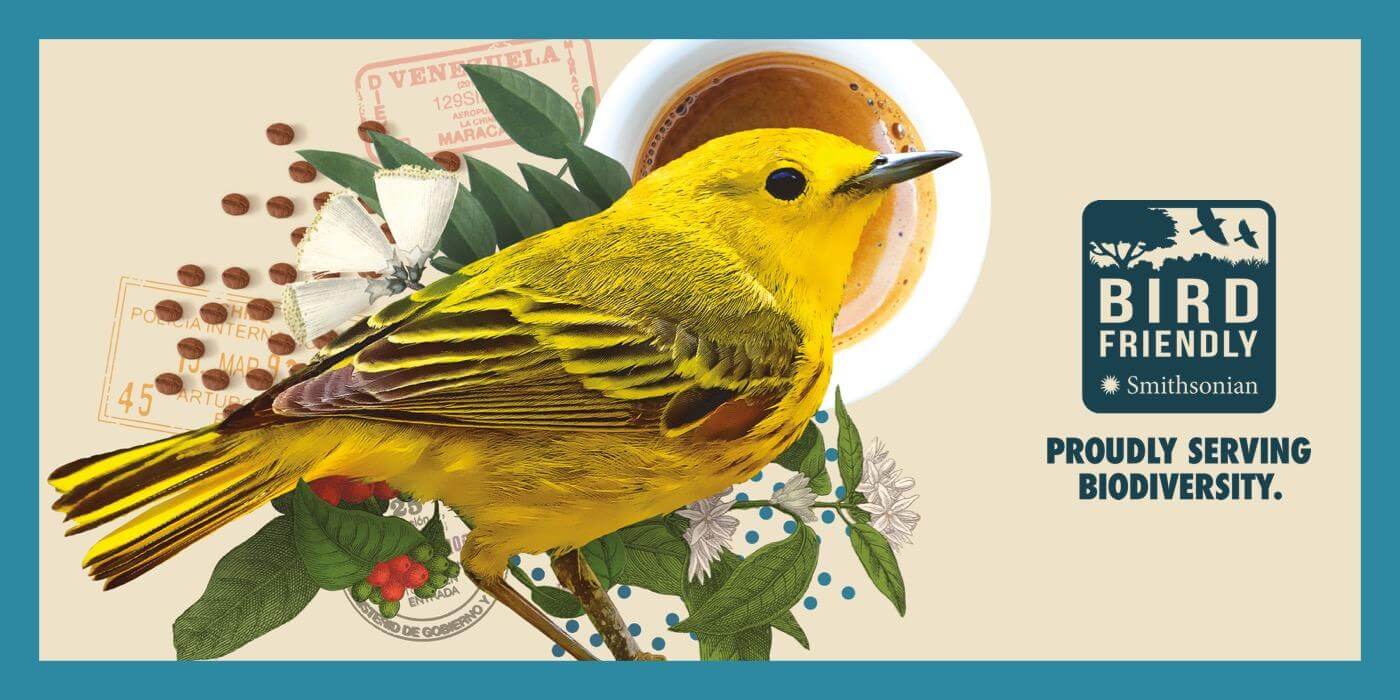 One of the easiest ways to help fight deforestation is to purchase bird-friendly, shade-grown coffee. This ensures that your morning cup of joe comes from coffee beans grown with a shade cover that provides important habitat for migratory and resident birds in tropical areas. Scientists from the Smithsonian developed the Bird Friendly certification in the late 1990s. To qualify, farmers must meet stringent growing standards that ensure a mix of foliage cover, tree height, and biodiversity that creates quality habitat for birds and other wildlife. But your part is easy - just look for the Bird Friendly stamp of approval on the coffee aisle!
The Swamp: Invasive Species
According to the American Museum of Natural History, the term biodiversity refers to "the variety of life on Earth at all its levels, frome genes to ecosystems, and can encompass the evolutionary, ecological, and cultural processes that sustain life." Understanding and promoting biodiversity is one of the main goals of conservation biologists.
 It might not be immediately obvious why biodiversity in the wild is important for humans, but its impacts can be felt far and wide. Maintaining biodiverse ecosystems helps keep humans healthy.
Research indicates that disease outbreaks increase as natural areas degrade. Additionally, humans rely on natural ecosystems for important resources such as fresh water, food, and medicine. When an ecosystem is weakened by a loss of biodiversity, it's less likely to produce those critical resources.
The best way to help prevent further deforestation is to become ethical consumers, making informed choices about the products we choose to buy and use. Shopping locally is one way to help, such as getting fruit and vegetables from the local farmers' market. Buying your clothes and furniture secondhand where possible can also help reduce waste and promote environmentally conscious business practices.
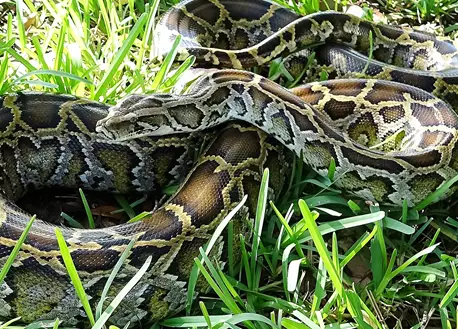
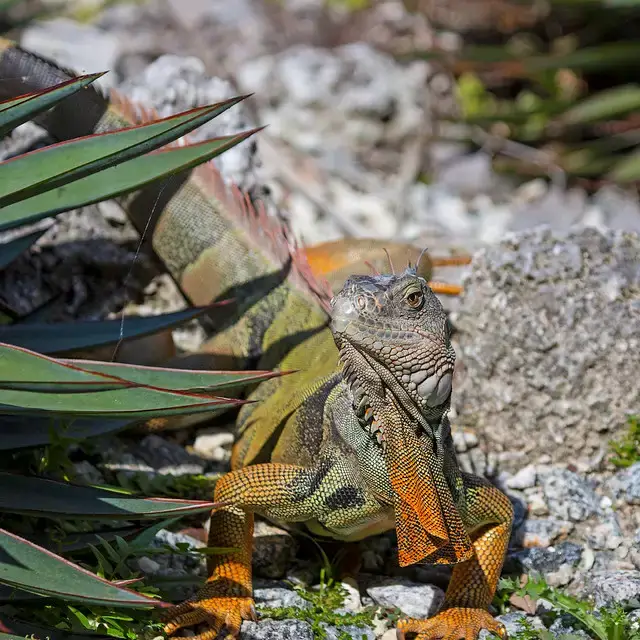 One of the biggest threats to biodiveristy within an ecosystem is the introduction of invasive species. Invasive species are those that are introduced to an environment where they do not occur naturally, and they can cause immense ecological harm. The species pictured here include the Burmese Python (Python molurus bivittatus) above and the Green Iguana (Iguana iguana) to the right, both of which are invasive in Florida (photos courtesy of Florida Fish and Wildlife). Invasive species may cause the extinction of native plants or animals through predation, or they may compete with native species for resources.
Organizations like The Nature Conservancy and Florida Fish and Wildlife are working hard to ensure that no new invasive species are introduced to our Florida wilderness. They also work to remove invasive species that have already been introduced, such as lionfish, pythons, and iguanas, all of which are wreaking havoc on our native ecosystems. You can learn more about invasive species, their impact on our local ecosystems, and ways to get involved by visiting the Swamp gallery in Life.
The Ocean: Ocean Acidification
The ocean covers about 70% of Earth's surface. Humans rely on it for food, recreation, climate regulation, transportation, and so much more. Oceans are an extremely important part of sustaining life on Earth. Unfortunately, they're also in danger.
According to the National Oceanic and Atmospheric Administration (NOAA), ocean acidification refers to "a reduction in the pH of the ocean over an extended period of time, caused primarily by uptake of carbon dioxide (CO2) from the atmosphere." pH is one of many factors that affect the habitability of the ocean for many native species. Other factors include levels of nitrates and nitrites, temperature, and salinity (salt content). Ocean acidification can be directly linked to climate change.
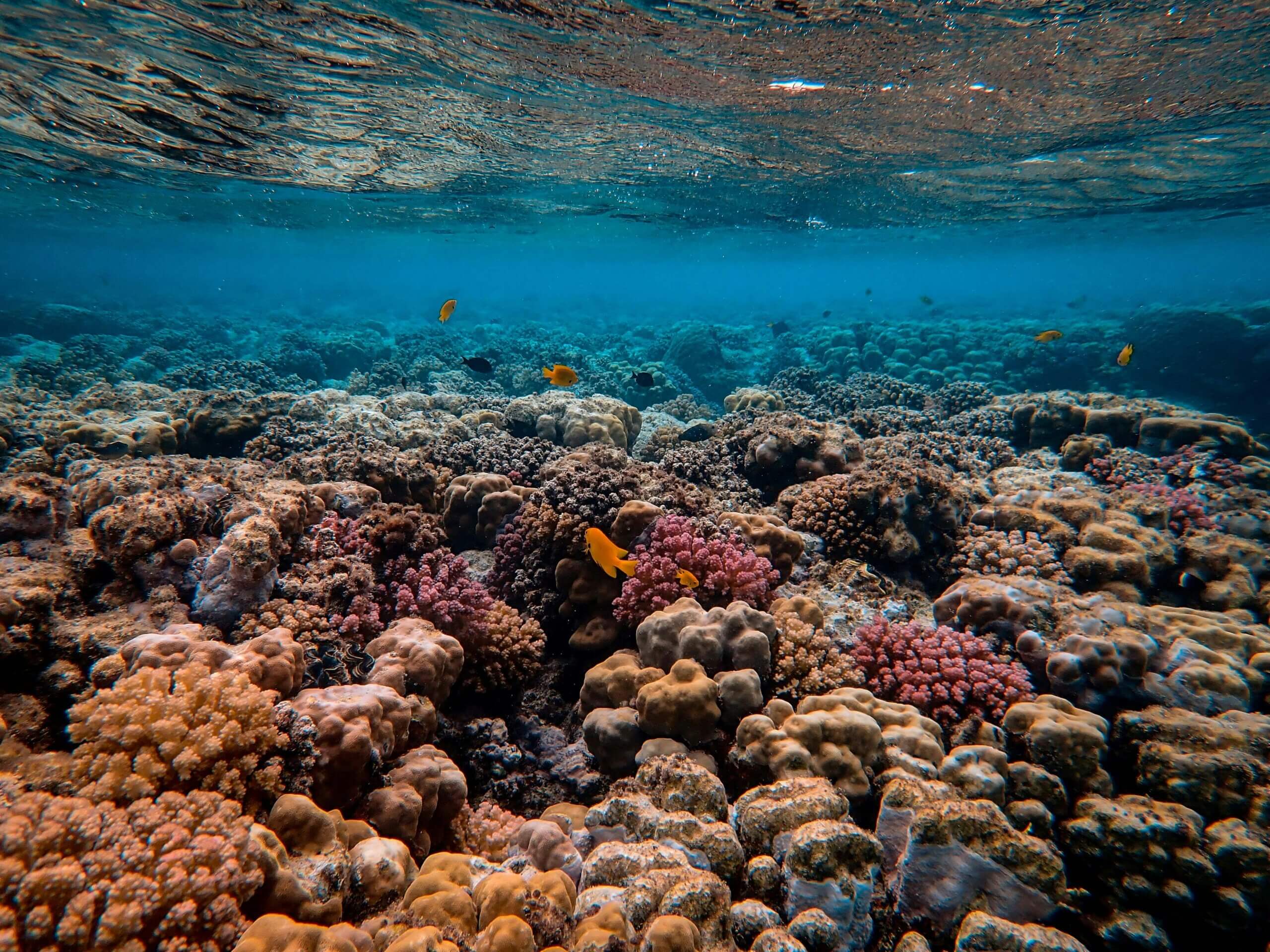 One way that scientists are helping to combat ocean acidification is through coral reef restoration. Coral reefs are crucial to the health of ocean ecosystems, providing food and coastal protection for humans, as well as habitat for a huge variety of fish and other sea creatures. But they face a variety of threats, including pollution, invasive species, changing water temperatures, and yes, ocean acidification.
Alongside organizations like NOAA, there are more local organizations working to restore reefs and protect our corals. Scientists at Mote Marine Laboratory are working to cultivate and grow diverse coral species to bolster Florida's Coral Reef. You can learn more about the organizations fighting ocean acidification through reef restoration in the Ocean gallery at Orlando Science Center.
Living Sustainably
As we've learned, sustainability is all about how to use resources at a responsible rate. We need to make sure we're not depleting natural resources at a higher rate than they can be replenished. Solar power is a great example of this - with current technology, our Sun will continue producing solar rays faster than we can convert them into power, making it more sustainable than burning natural gas or fossil fuels.
Sustainable habits include classics like reducing waste, reusing resources where you can, and recycling what you're able. They also include turning lights off when you leave a room, shopping for used goods like clothes and furniture, and supporting local, sustainable businesses. But there's so much more to sustainable living!
Interested in learning more about how to develop greener habits to live a more sustainable lifestyle? Check out our blog of Sustinability Resources to explore video resources and further activities for all ages to get hands-on with sustainability.
Conserving Florida's Ecosystems
Florida's wild spaces are a unique mosaic of grasslands, coastal reefs, upland forests, and wetlands. These diverse ecosystems are vital to the survival of keystone species like the American alligator (Alligator mississippiensis) and apex predators such as the Florida panther (Puma concolor coryi). But these animals are not the only ones who call Florida home. From 2022 to 2023, Florida was home to four of the top five fastest-growing metropolitan areas in the United States, according to the US Census. In addition, we're currently the nation's third most populous state.
This influx of humans puts our wild spaces in danger. Habitat loss is a primary threat to wildlife survival, and particularly vulnerable to this threat are ground-dwelling Florida natives such as the Florida box turtle (Terrapene carolina bauri), the burrowing owl (Athene cunicularia floridana), and the gopher tortoise (Gopherus polyphemus) - all of which you ccan meet in the Life exhibit. As our population grows and the need for housing increases, urbanization of wild spaces will deprive these species of critical natural areas.
According to Florida Fish and Wildlife, the gopher tortoise shares its burrows with over 350 other species, including burrowing owls, rabbits, snakes, rodents, and many different invertebrates. This makes them a keystone species, because their ecosystem would be dramatically altered - or even collapse - without them. For this reason, both the gopher tortoise and its burrows are protected under state law.
You can learn more about how to get involved with gopher tortoise conservation here. We also encourage you to visit the Life exhibit to meet our resident gopher tortoises Alice and rocky and learn more about the species!
Walking the Walk at Orlando Science Center
It's important to us at the Science Center to pair online resources like this with on-site activities that help demonstrate and explain the science behind these important concepts. The Life exhibit is just one part of how we're "walking the walk," but of course it is a huge part!
 Many of the animals you'll meet in the Life exhibit are part of Species Survival Plans (SSPs), including the red-rumped agouti (Dasyprocta leporina) pictured to the left. SSPs are cooperatively managed by the Association of Zoos and Aquariums (AZA) to help manage a genetically diverse, demographically varied, and biologically sound population for threatened species.
We use the produce grown in our aeroponic towers on Level 1 as part of our animals' diets, and we use recycled materials such as cardboard and newspapers as enrichment for our animals.
In addition to the animals that call Life home, we provide seasonal homes to Purple Martins (Progne subis), birds that rely on human-made nests to raise their chicks. We participate in a banding program to help monitor their populations and migration patterns. You can learn more about this program here.
 The food available for purchase inside the 4Roots Cafe is sourced from local farmers as much as possible. Additionally, our HVAC system is magnet-driven, and all our light bulbs are LED. Our building is partially powered by solar panels installed on our roof, and our exterior glass is coated in a UV film to protect from UVA and UVB rays. If you decide to host an event at the Science Center, you can even contract with our partners at O-Town Compost to ensure your event minimizes waste!
We also incorporate conservation into our programs where possible, so you might want to catch the Calibrating Carbon or Conservation Catastrophe shows next time you visit. Seafood Watch helps teach guests about sustainable fishing practices, and other pops share tips and tricks on how to reduce waste and energy consumption.
You can also get hands-on with these at-home activities to learn more about conservation and sustainability:
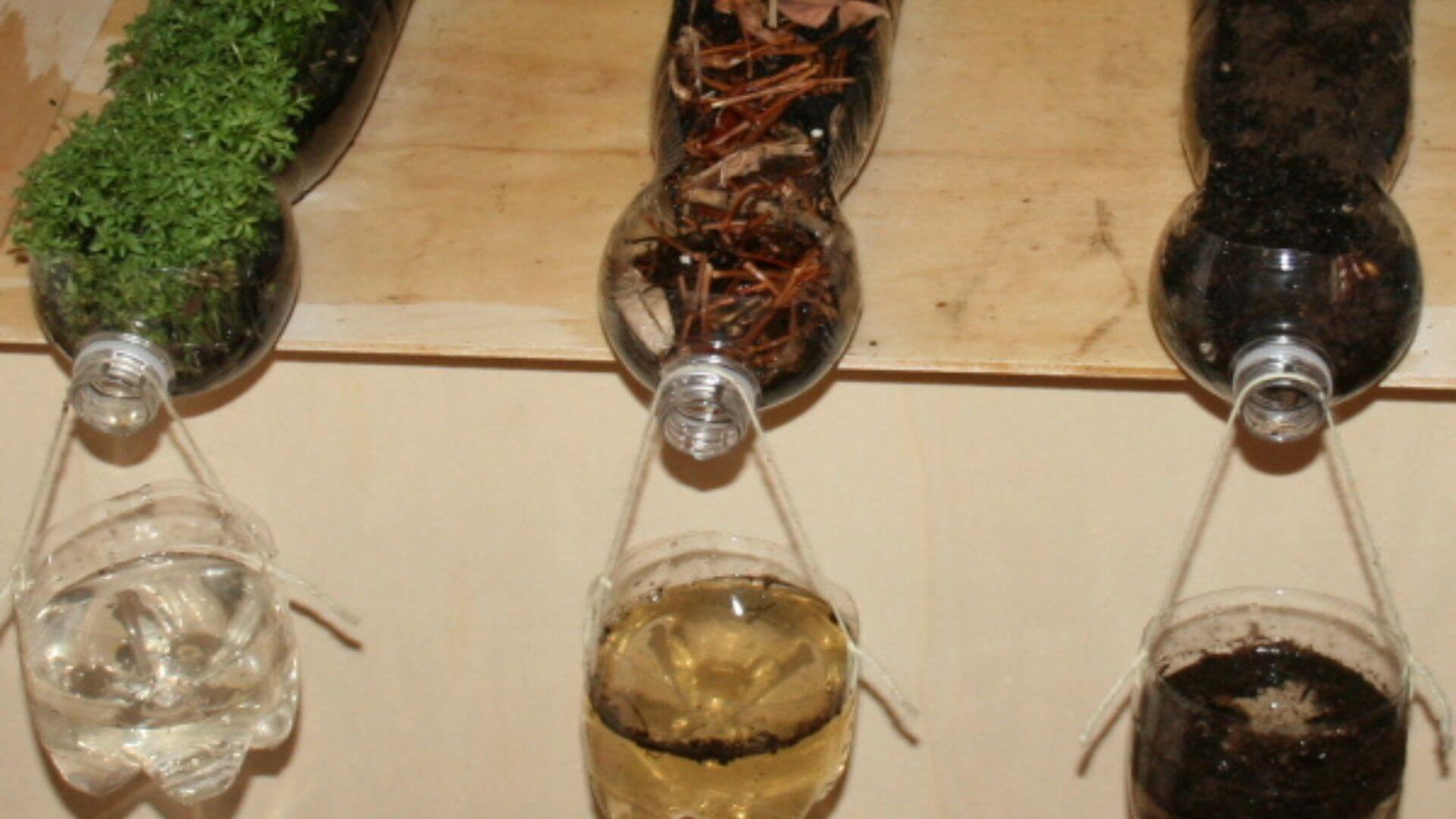
In this soil science experiment, you will see how different environments can affect water runoff and soil erosion.
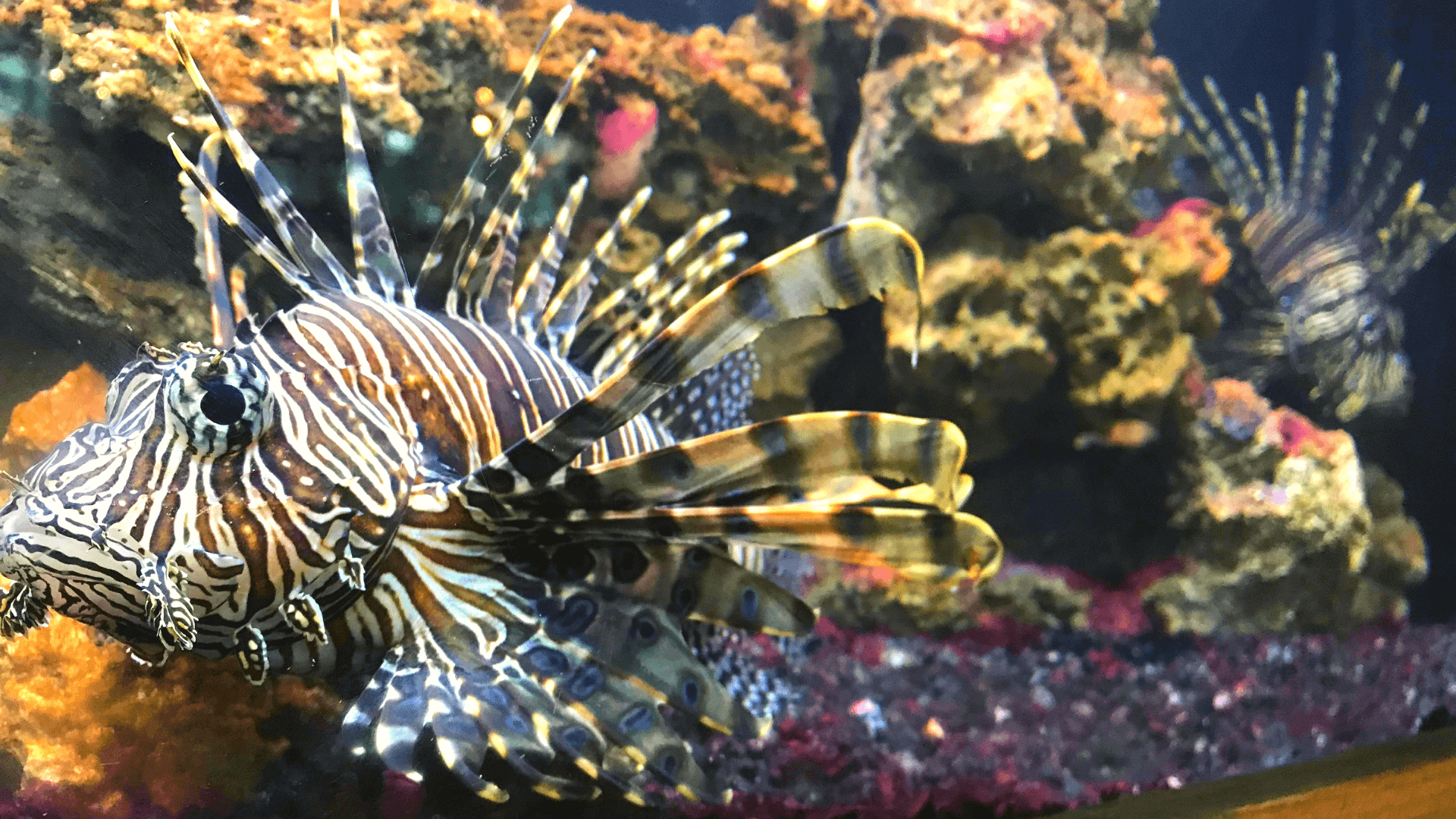
They may be stunning, but lionfish are invasive to Florida ecosystems. The good news is you can help by having a snack!

Purple Martin birds cannot build their own nests, but we can all help these beneficial birds in our own yards.

What happens to rain after a storm? Make a model that shows how water flows over different land shapes.
Resources for Further Learning
Ready to make some changes to your habits to live a greener life? We've compiled some handy resources that you can use to measure your impact and make informed decisions!
The best way to inspire the next generation to be responsible stewards of the planet is to start now. Kids are curious about the world around them, making them natural scientists. Check out the resources for families and children below to learn more about how young people can make a difference today. If you're exploring without kids, we have resources for you, too. Conservation is for all ages!
Resources for Families with Kids
- Why We Should Teach the Next Generation About Conservation (WWF)
- WWF Conservation in the Classroom Playlist
- Conservation at Home Resources (National Parks Service)
- Save the Earth Tips (NatGeo Kids)
- Conservation Education Resources (USDA Forest Service)
- Water Conservation Resources for Kids (EPA)
- Conservation for Kids (Center for Biological Diversity)
Hands-On Activities & Games
- Cornucopia - Grow food and manage the water and land needed for your crops.
- Play this at Home! - A collection of active and engaging offline games to help children of all ages learn about the environment.
- Five Fun Activities for Teaching Kids About Conservation – This collection of activities focuses on introducing kids to the why behind sustainable living.
Resources for All Ages
- FWC Pet Amnesty Day – Need information on how to safely rehome nonnative pets? Learn more about the Exotic Pet Amnesty Program here. You can also sign up to become an adopter to keep these nonnative species in loving homes – and out of our local ecosystems!
- More AZA Green Resources – A list of sustainable materials and products from the Association of Zoos and Aquariums, the highest authority on conservation, education, science and recreation for zoos and aquariums.
Get Connected Locally
Orlando Science Center is proud to partner with a number of local organizations that are working on conservation efforts every day. If you'd like to get involved, these organizations are a great place to start! Click on the logos below to learn more about each partner and the services they offer.

Volunteer Opportunities
These local conservation organizations are always looking for volunteers! If you're looking for a more hands-on approach, these folks are making a difference right here in our Central Florida community.



Hope for The Future
It's easy to get overwhelmed when exploring such a big topic as conservation. How can one person possibly make a difference in such a complex issue? Here's the thing - everyone has the ability to make a difference.
From making small changes in your everyday life to advocating for major changes in your local and regional government, there's something you can do no matter your situation. By exploring the resources provided here and making small changes to your habits, you can help contribute to a more sustainable future.
Check out these videos about the amazing things that can happen when people work together to face big challenges. We hope these inspire you to take action, not just for yourselves but for the next generation, too. Let's build a more sustainable society - together!