Using Science to Outsmart the Storm
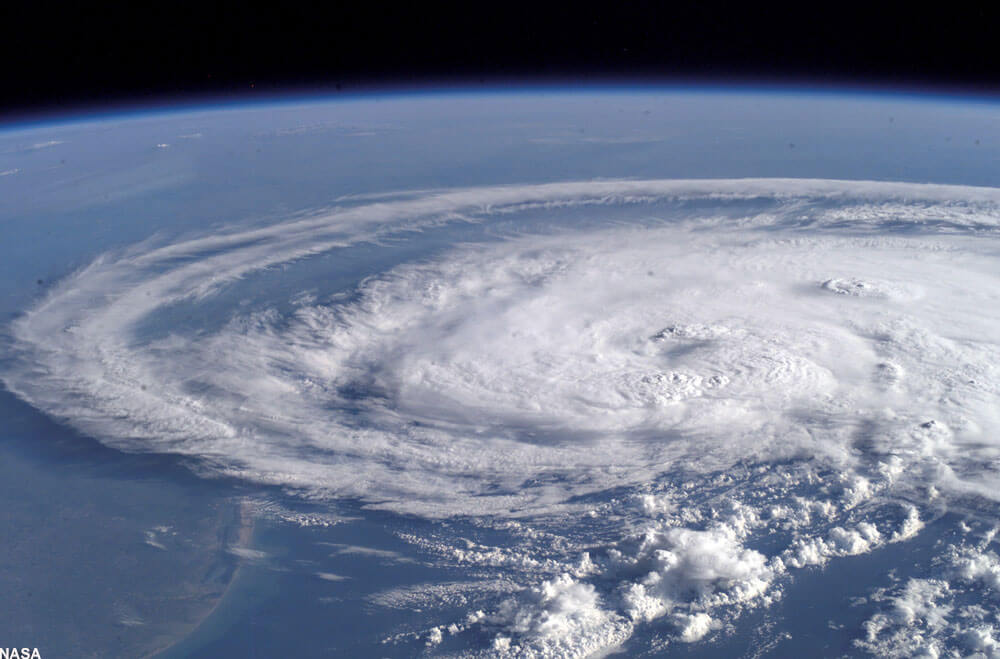
From June through November, Floridakeeps a close watch on the tropics—andfor good reason. Hurricanes, with windsstarting at 74 miles per hour, are amongthe most destructive forces in nature.According to the National Oceanic andAtmosphericAdministration, the Atlanticbasin averages 14 named storms, 7hurricanes, and 3 majorhurricaneseach year.
Florida is no stranger to these storms,weathering Hurricane Charley (2004),Hurricane Michael (2018), and mostrecently, Hurricane Helene (2024)—among many others over the years.While it's always smart to evacuate if instructed to by local officials, sometimes we have to shelterin place.That’s why knowing how to staysafe at home is so important.
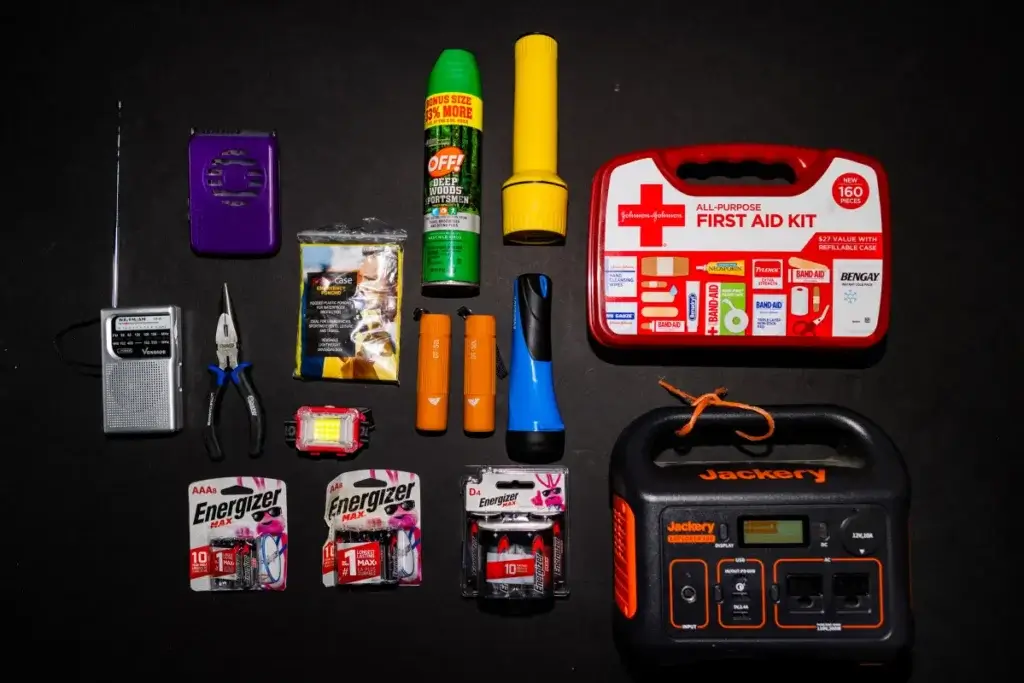
A basic hurricane kit with extra clothes,important documents, flashlights, andnon-perishable food is a good start. Butprotecting your home can make a bigdifference too. Here are five science-based ways to prepare:
1. Protect Structural Integrity
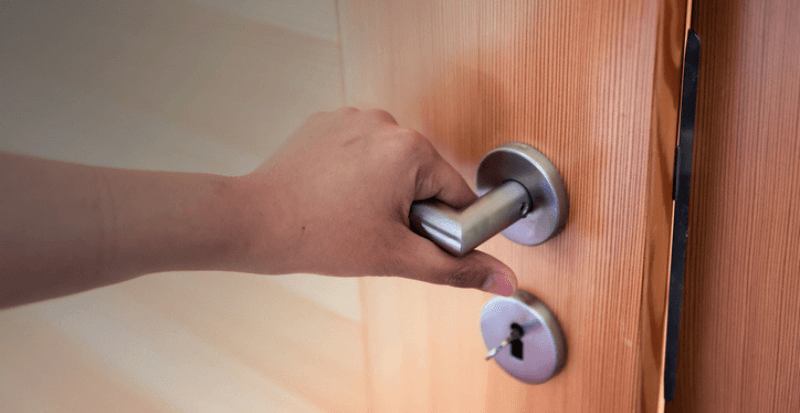
Closing all interior doors during astorm might seem minor, but it helpsreduce pressure on your roof. If awindow or door breaks, air rushesin and pushes upward, like inflating aballoon inside your home.
This added pressure can cause majorroof damage. According to theInsurance Institute for Business andHome Safety, keeping interior doorsclosed can reduce that pressure by upto 30%.
2. Bring the Outside In
Outdoor items like chairs, toys, andtrash cans can become dangerousprojectiles during strong winds. TheNational Hurricane Center warnsthat wind-borne debris is a leadingcause of damage during hurricanes.As wind speed increases, so does thekinetic energy behind objects it lifts.Even small items can break windowsor cause injuries. Bring in anything thatcould get picked up by the wind, andanchor heavier items like grills andpropane tanks.
3. Keep Water Out
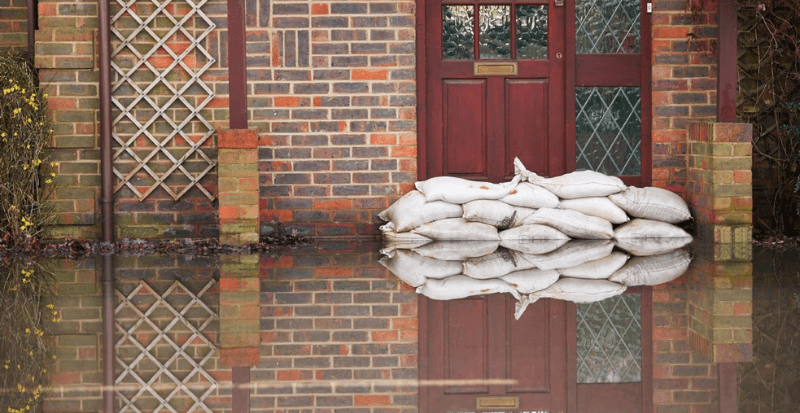
Flooding is one of the mostcommon—and costly—effects ofhurricanes, especially in low-lyingareas. Just a few inches of water cancause serious damage. Use sandbagsor plastic sheeting to block doorwaysand prevent water from seeping inside.FEMA recommends using sandbagswith plastic liners to better directwater flow away from your home.Sandbags absorb water and act liketemporary levees.
4. Emergency Water Supply
When power outages strike, so canwater issues. That’s why it’s smart tostore clean water ahead of time, notjust for drinking, but also for flushingtoilets and bathing. Filling bathtubs,buckets, or large storage containerswith water before a storm ensuresyou’ll have what you need for basicsanitation. The Center for DiseaseControl and Prevention recommendsat least one gallon of water per personper day for three days.
5. Power Up the Essentials
Hurricanes often cause power outages.Keep flashlights, portable chargers, andbattery-powered radios handy. If celltowers go down, radios help you stayinformed. Also, think about food safety:a fridge without power keeps food safefor about 4 hours; a full freezer, up to48 hours. Keep the doors closed anduse a thermometer to make sure foodstays under 40°F.
Hurricanes can be intimidating, butknowledge is one of our best defenses.And, if schools remain closed once theskies clear and the power comes backon, we’ve got your family covered withour Hurricane Camps, filled with learningand fun for the little ones. Stay safe,stay smart, and let’s weather the seasontogether.